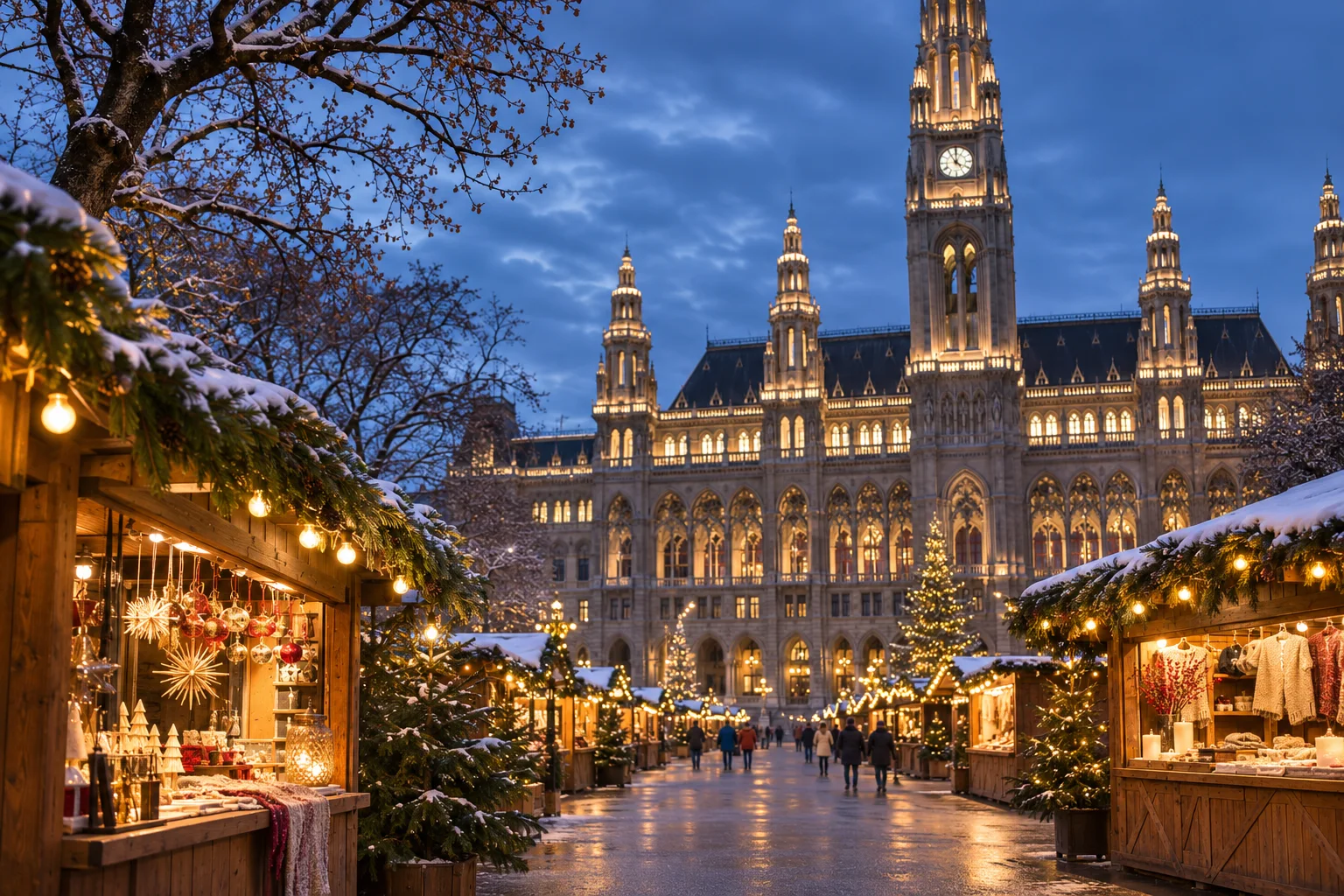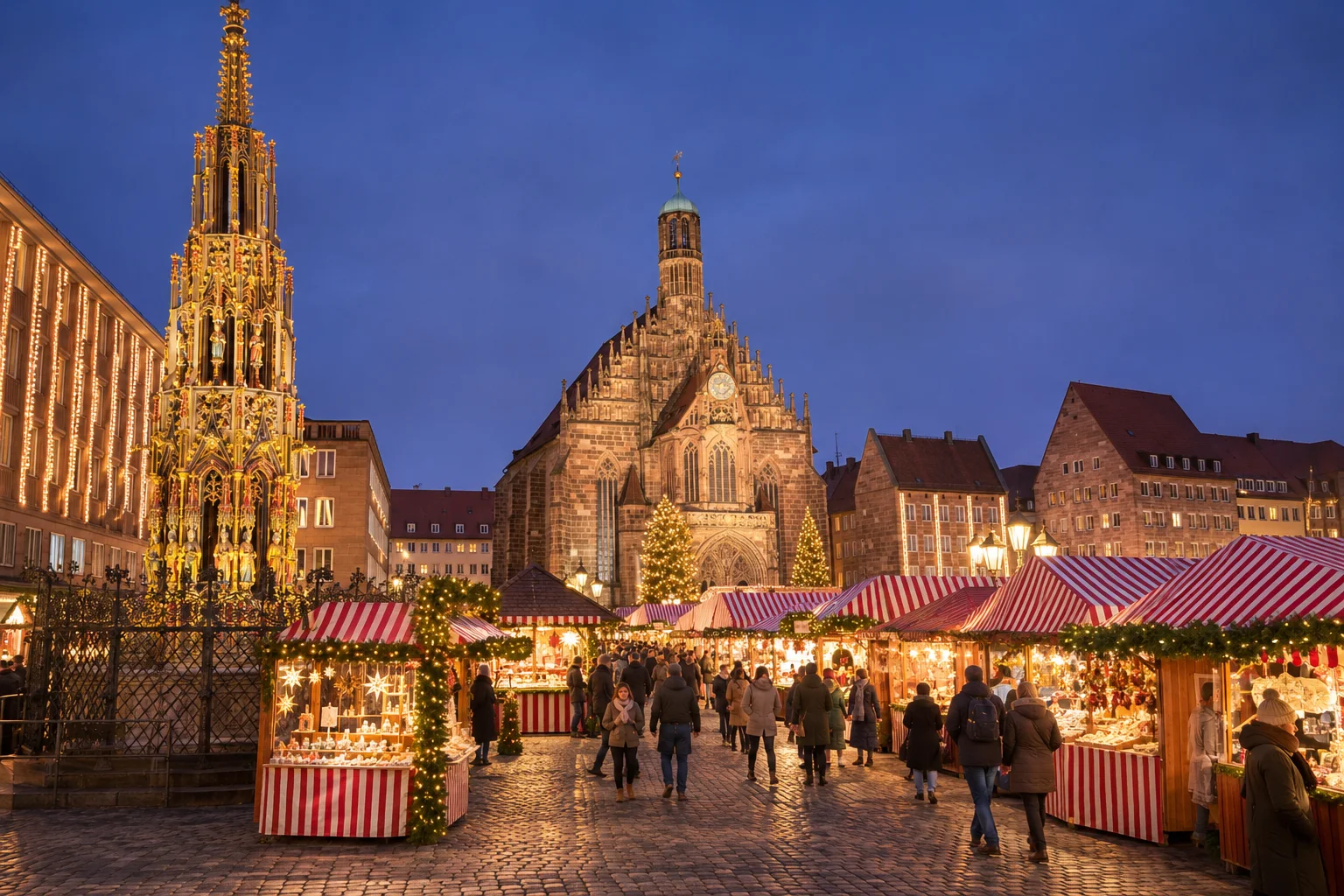
A week of German Christmas markets can feel varied without changing hotels every night. This route uses Nuremberg and Munich as two bases: the traditional stalls and old-town setting of Nuremberg first, then Marienplatz and a larger-city stay in Munich. You get several market visits, time for the cities themselves and a straightforward structure to adapt around the train timetable.
The default trip is seven calendar days and six nights, with three nights in Nuremberg followed by three in Munich. It is best suited to a first visit in the overlapping market season. Arrival and departure arrangements still matter: a late flight or an early train reduces the useful time on that day.
Market dates and the route
Nuremberg's official Christkindlesmarkt site lists November 27 to December 24 for 2026. Munich's official Marienplatz market page lists November 20 to December 24, with a closure on November 22. For this two-base route, choose dates when both markets are operating rather than treating their openings as interchangeable.
For this complete route, an arrival between November 27 and December 18, 2026 keeps the sixth day’s final market evening before Christmas Eve. A later arrival needs a shorter or different version. The Munich page also lists shorter hours on December 24. Christmas Eve is not an ordinary full market day to use as the final catch-up slot. Confirm the actual market and travel arrangements before booking a late-season visit.
| Day | Plan | Overnight |
|---|---|---|
| 1 | Arrive and settle into Nuremberg | Nuremberg |
| 2 | Old town and a proper Christkindlesmarkt visit | Nuremberg |
| 3 | Germanisches Nationalmuseum and Handwerkerhof | Nuremberg |
| 4 | Transfer to Munich and explore the central market area | Munich |
| 5 | Marienplatz, nearby seasonal stops and an indoor break | Munich |
| 6 | Residence Museum, optional Hofgarten and a final market evening | Munich |
| 7 | Depart | No additional night assumed |
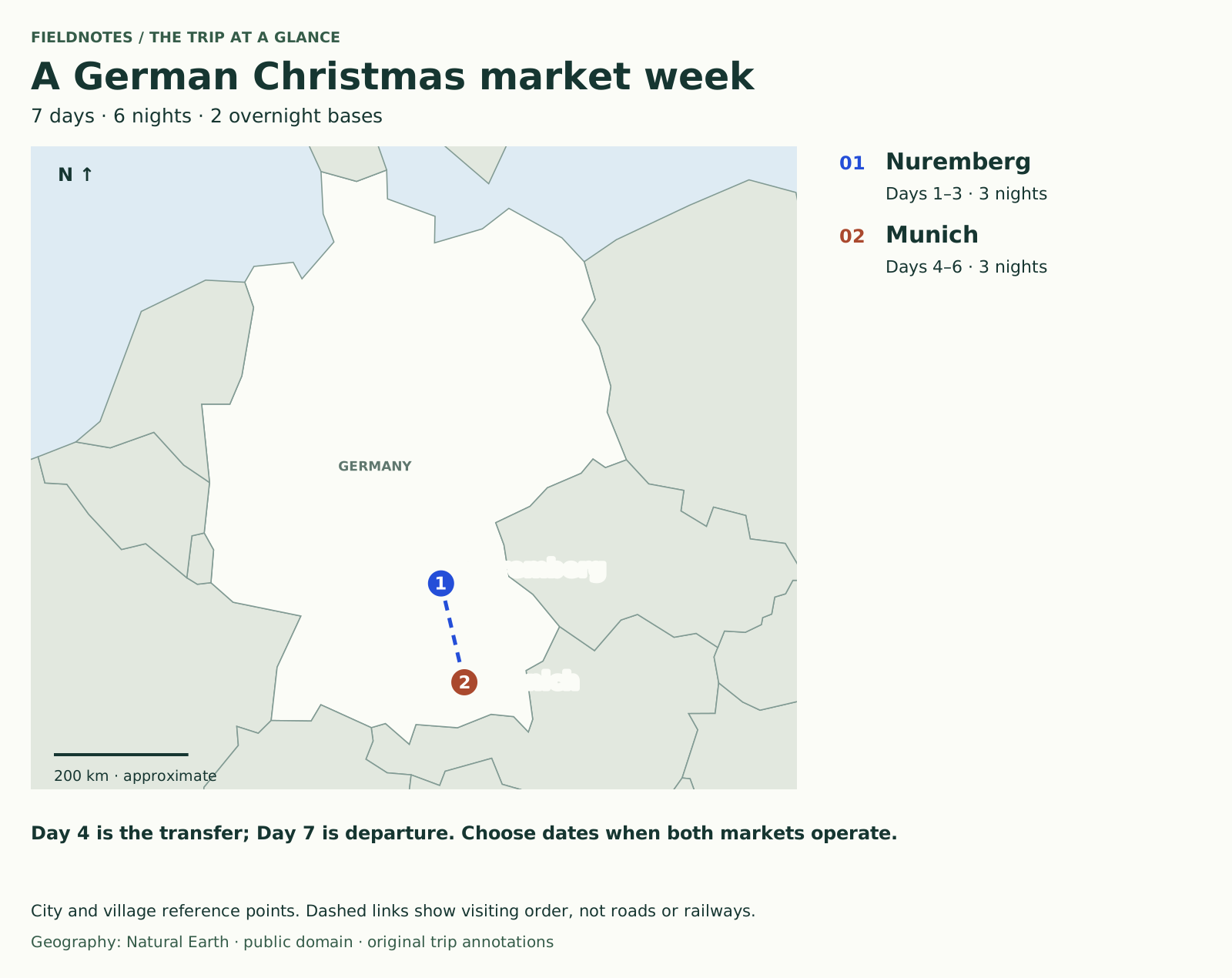
Open places in Google Maps
- 1. Nuremberg — Days 1–3 · 3 nights
- 2. Munich — Days 4–6 · 3 nights
Day 1: arrive in Nuremberg
Keep arrival day light. Get to the accommodation, leave the luggage and take an initial old-town walk if the timing suits. A first glimpse of the market can be enough for the evening; save the main visit for a day when you are not carrying the stress of a transfer.
Choose accommodation using the exact address, station connection and luggage arrangements. A practical route between the station and the old town makes this short stay easier. Read the check-in instructions, especially if arrival might be late.
Day 2: old town and Christkindlesmarkt
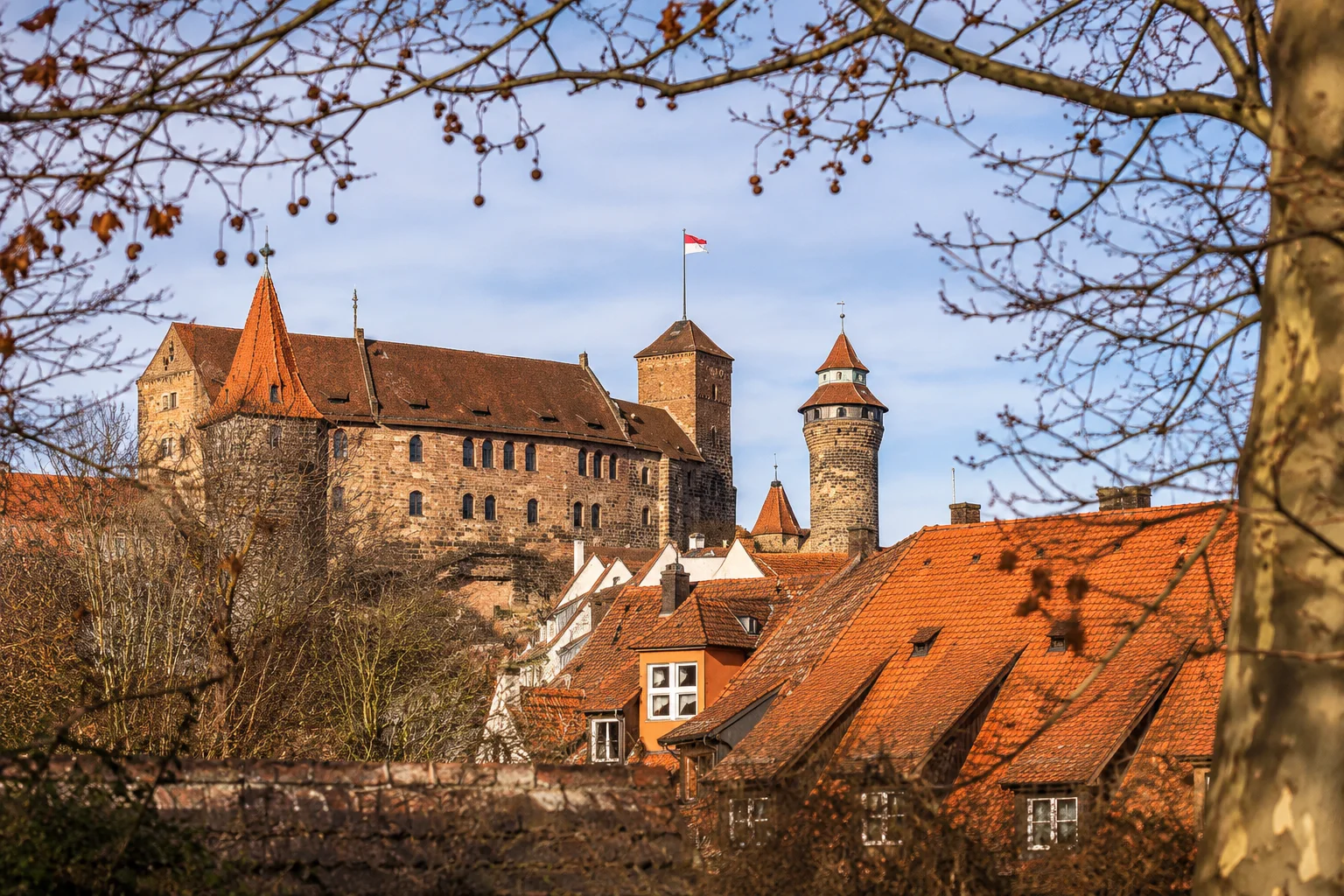
Start at Hauptmarkt to see the Frauenkirche façade and the separate, ornate Schöner Brunnen before the evening bustle. Continue through the old town toward the Kaiserburg castle hill for the higher view of the city, then come back down for lunch. Keep an interior castle visit optional: it replaces part of this walk and needs its own admission arrangements.
Return to Christkindlesmarkt as the light fades. The red-and-white stall roofs, crafts and historic square make the market the evening's main event. Look for Nuremberg gingerbread and the city's small bratwurst if they suit your tastes, and give yourself time to browse before choosing what to eat.
The official market map and self-guided routes help locate the seasonal areas. Keep a second market visit for another evening rather than trying to purchase everything on the first circuit.
Day 3: give the base a second day
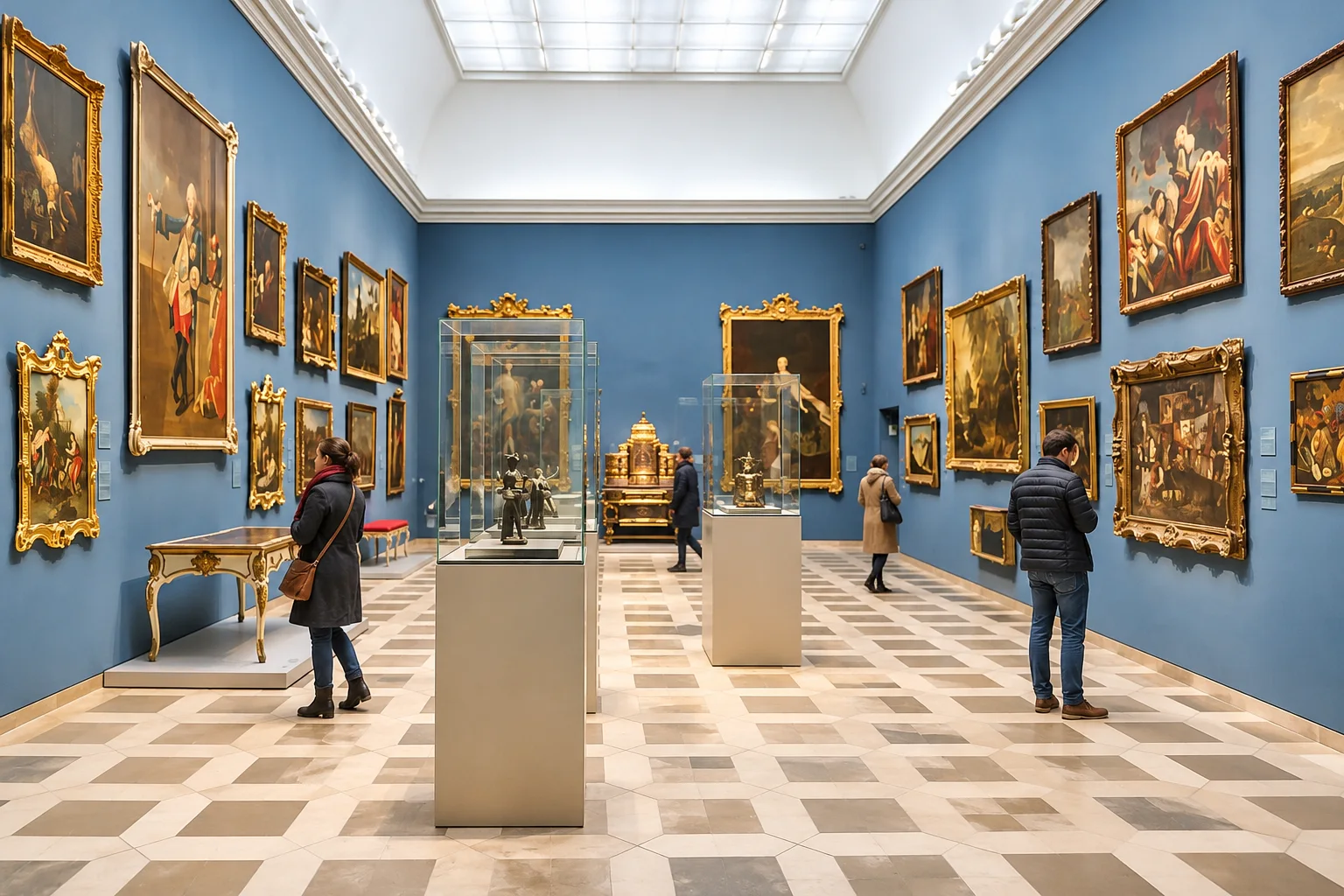
Make the Germanisches Nationalmuseum the default indoor visit, with time for the collections that interest you rather than a race through every room. Its visit page currently notes renovation closures in parts of the permanent collection; use the museum's current orientation information when choosing your rooms. It is normally closed on Mondays, so swap Days 2 and 3 if necessary.
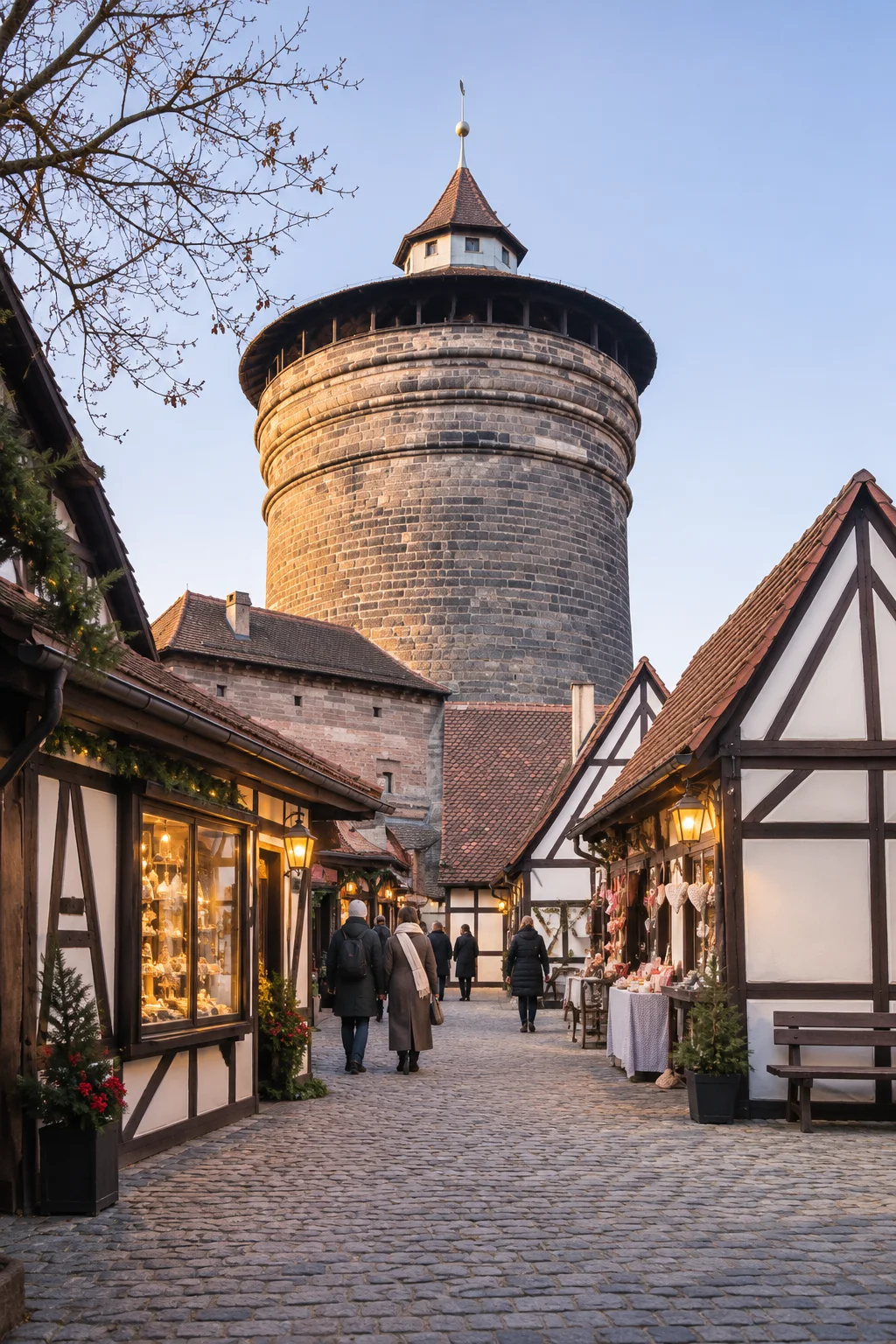
After lunch, continue toward Handwerkerhof near the main station for a smaller-scale look at the old-town craft setting, then return to the central market for details you missed. This gives the second day a definite indoor anchor and an easy afternoon without another hotel change.
A day trip is an alternative to this entire day, not an addition to it. Choose one town and verify its transport and market dates before replacing the museum-and-old-town plan.
Day 4: transfer to Munich
Search Deutsche Bahn for Nürnberg Hbf → München Hbf on the actual date. Those are the central-station assumptions for this plan; compare direct and connecting options, the ticket's conditions and the arrival station before booking. A timetable's train duration excludes packing, checking out and reaching the next room.
For planning, reserve a half-day for the complete hotel-to-hotel move, including luggage drop and a meal; this is our itinerary allowance, not a quoted journey time. Add the two exact station-to-accommodation legs to the selected service. A Nuremberg base toward Handwerkerhof/southern old town favors station access; one nearer Hauptmarkt favors repeated market evenings. In Munich, accommodation near Hbf favors the rail handoff, while a central-old-town address favors Marienplatz evenings. Check the walking surface, luggage storage and any local transit transfer before choosing.
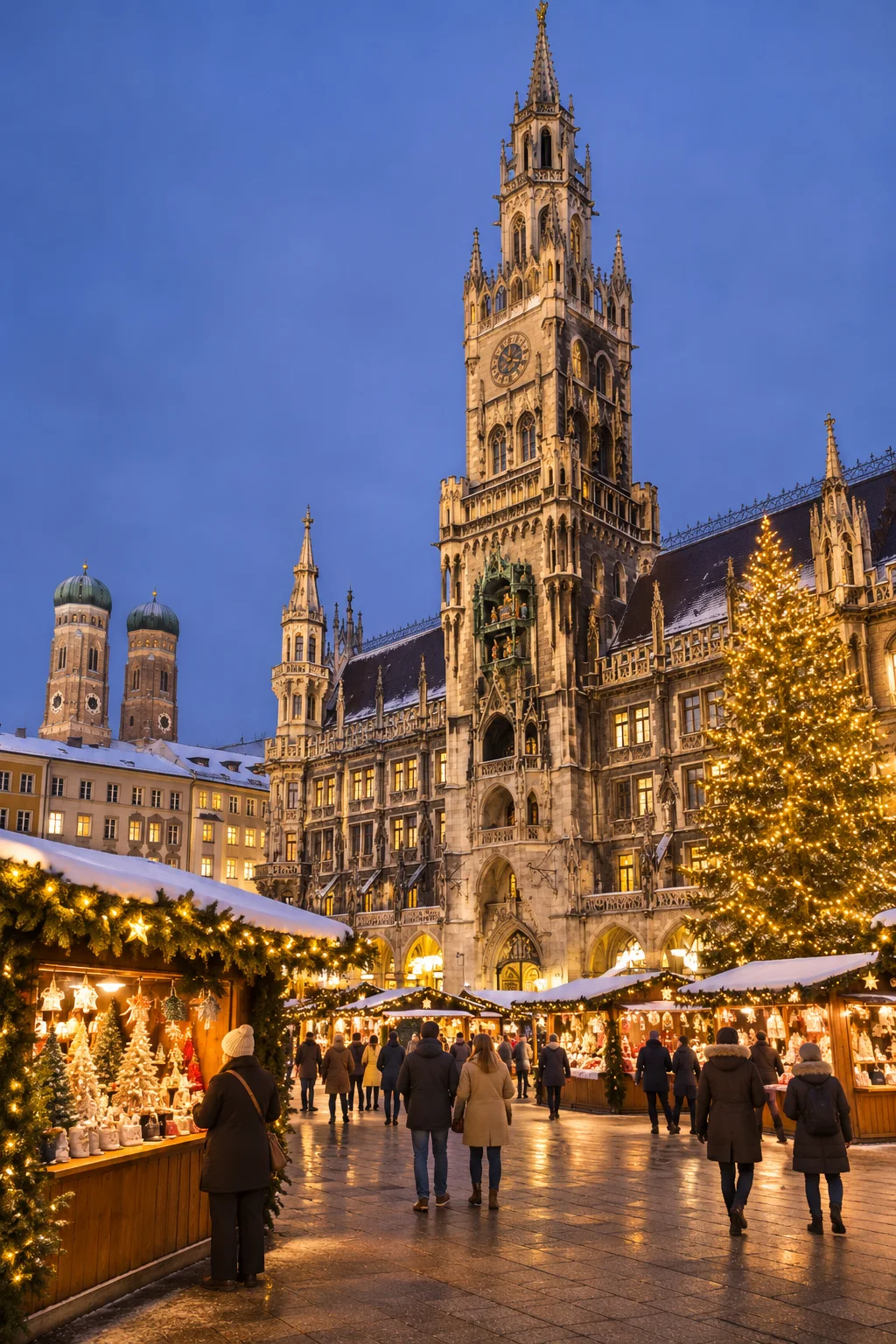
After leaving luggage, use the afternoon or evening for an introduction to Munich's central market area. Marienplatz makes an obvious first focus, with the town-hall setting and the main Christmas tree. Keep the first evening straightforward and save more detailed exploring for the following day.
Day 5: Marienplatz and nearby seasonal stops
Give the central market a proper visit, then choose a nearby extension according to your interests. Munich's official market page describes the Kripperlmarkt near St. Peter's, with nativity-scene stalls that offer a different focus from the main square. Use the current market information for the exact offering and access.
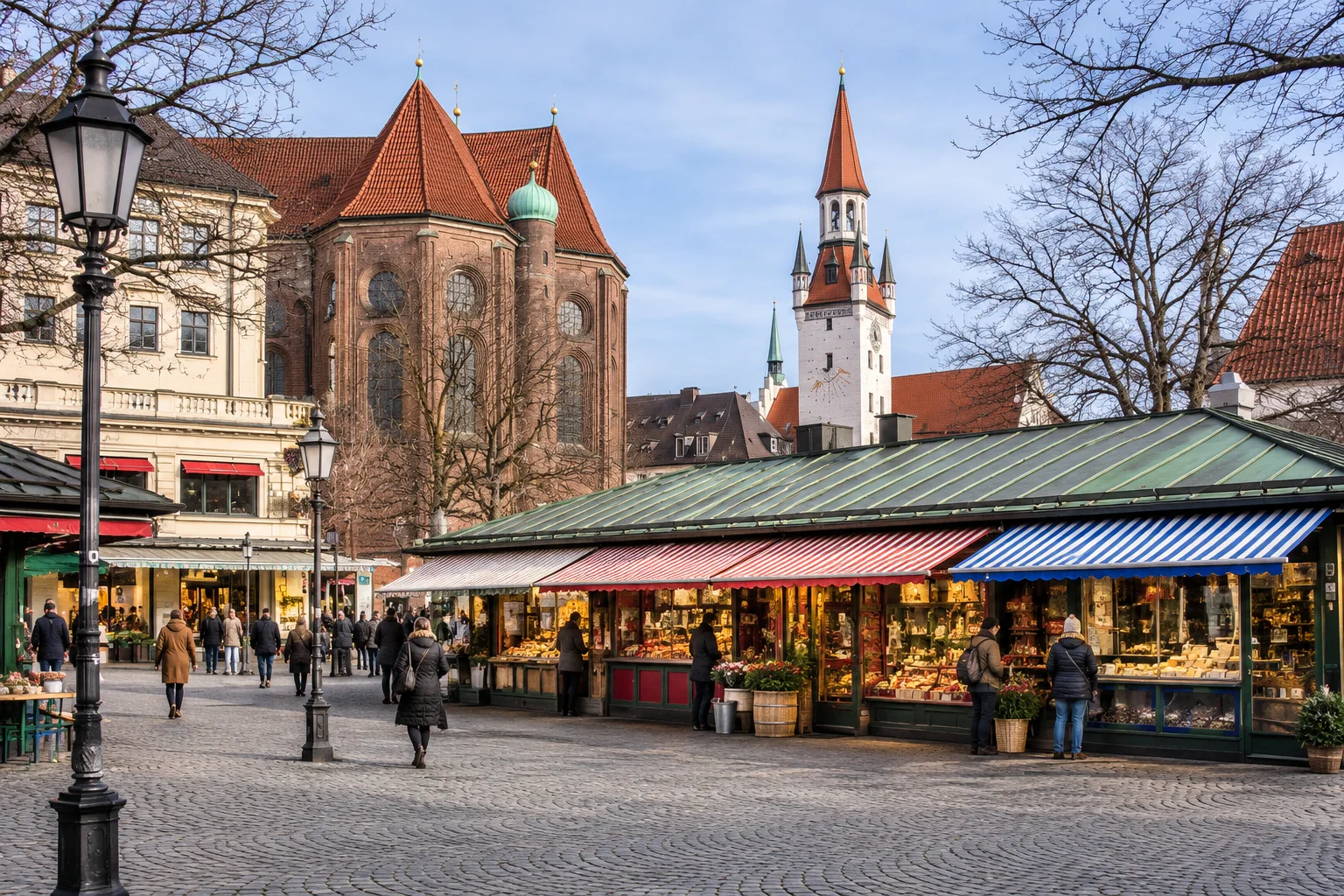
Make the daytime loop Marienplatz → St. Peter's area → Viktualienmarkt, then return toward the Christmas stalls after a meal. The food market gives this day a different purpose: look for a soup or a Bavarian cheese-and-bread lunch rather than another round of festive sweets. Munich tourism lists food stalls, cafés and inns here; individual opening days differ, and some stalls close on Mondays. On Sunday or a holiday, choose a confirmed seated meal instead of relying on the stalls. A performance or a longer museum booking replaces the food-market browsing; keep the Residence for Day 6 unless you deliberately swap.
Special performances and processions can affect crowd levels and the route through the center. Check the official event information if one is important to you, rather than accidentally planning a quiet browsing afternoon around a major event.
Day 6: a Munich day, then a final market evening
Use the Munich Residence Museum as the final day's main indoor visit. The palace rooms and long galleries provide a different kind of visual richness from the market stalls. Choose the museum itself as the anchor; adding the Treasury or another ticketed component depends on the actual time and admission option you select.
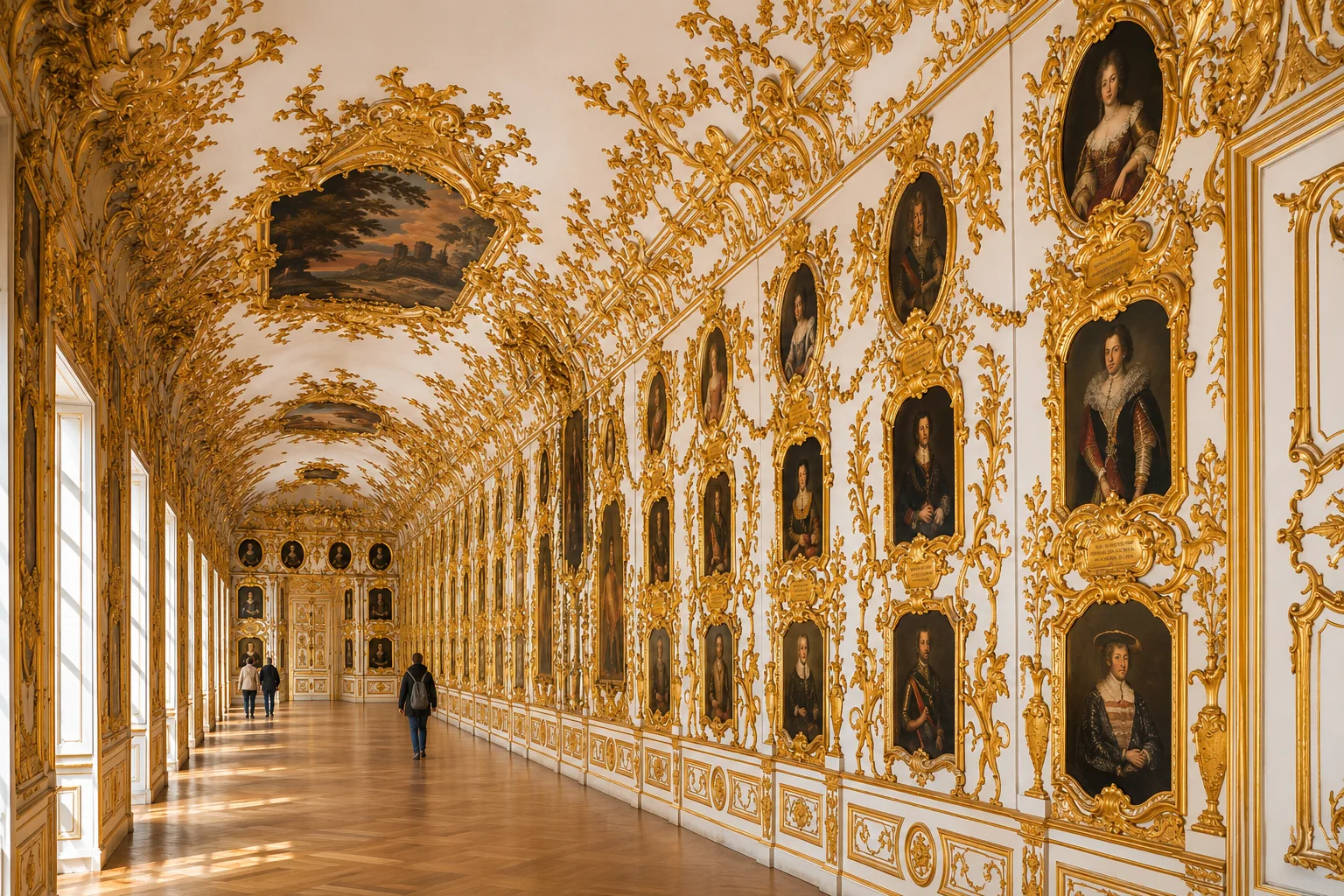
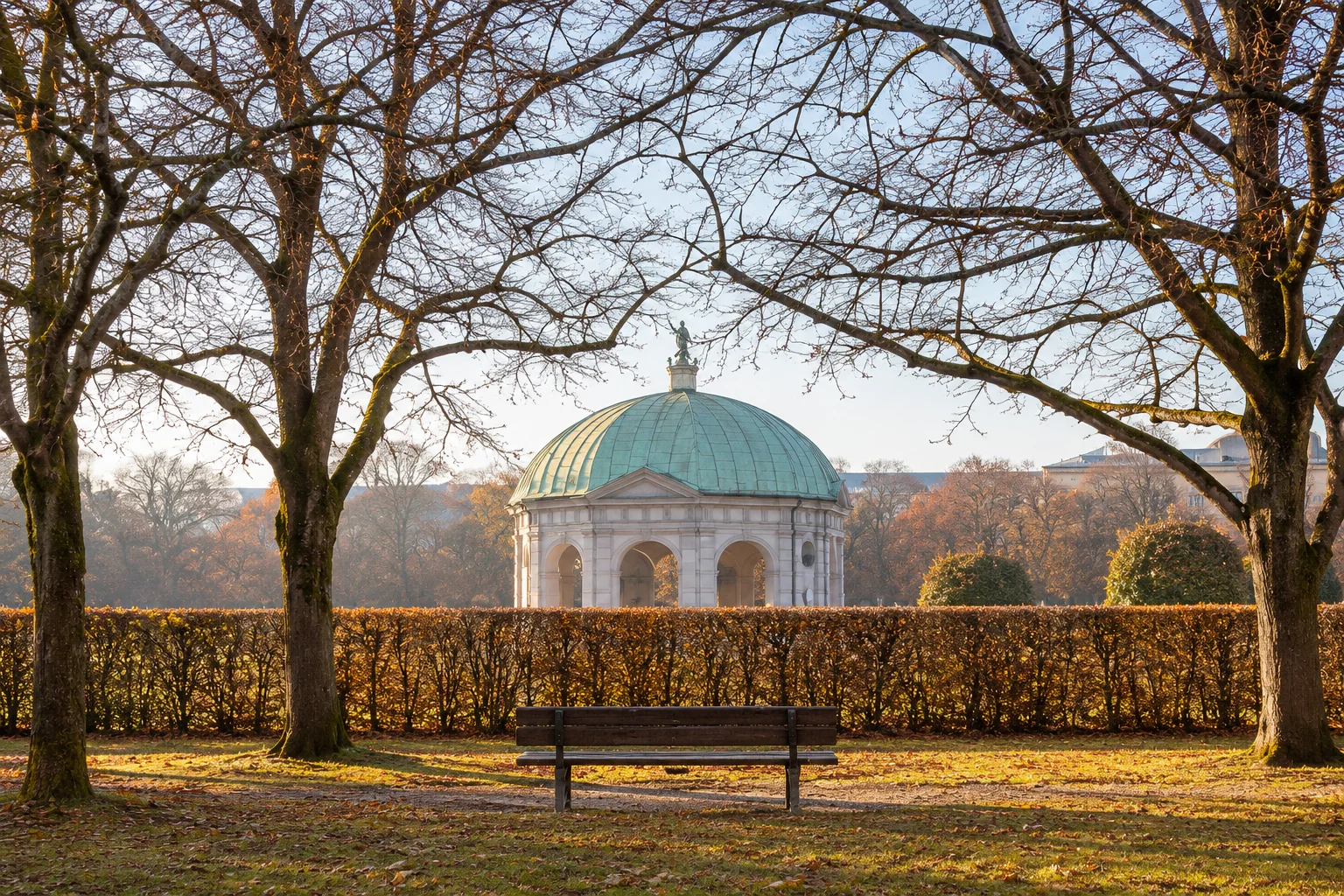
If conditions suit, pause in the nearby Hofgarten afterwards, then have lunch and leave the afternoon flexible. An art museum elsewhere in Munich is an alternative that replaces the Residence visit and changes the day's transfer; it is not another full museum to fit before the market.
Return to Marienplatz for a last relaxed evening, keeping packing and the next morning's departure in mind. Buy the gifts or decorations you actually want without leaving every purchase until departure day.
Practical details that make the route work
Pack for repeated outdoor evenings and heated interiors. Comfortable footwear, useful small layers and a manageable day bag matter more than a separate festive outfit every night. Use the winter checklist and winter capsule for the clothing and luggage baseline.
Keep a little room for purchases, understand the payment options at individual stalls and treat any cup deposit as part of the transaction to check locally. Bring a bag you can close and carry comfortably in crowds. Food and drink prices vary; build the budget around your actual choices rather than a universal daily market figure.
Only two or three nights? Choose one base
Choose Nuremberg when Christkindlesmarkt, gingerbread, the old-town walk and a quieter repeat visit to the same square are the point of the trip. Choose Munich when the Residence, the central food-area loop and market evenings share the holiday. Let the actual arrival connection decide a close call: a convenient arrival into one city can be worth more than adding a hotel move to a short break. Check both the train or airport arrival leg and the final departure before committing.
For other countries and city styles, use the European Christmas-market comparison. The full seven-day plan above still uses three nights in each base.
German Christmas-market questions
Is this a seven-night itinerary?
No. It uses seven calendar days and six nights: three in Nuremberg and three in Munich. Add a night only if your transport or preferred pace requires it.
Can I travel without a car?
The two-base structure is designed around rail and local city travel. Verify the actual services and accommodation connections for your dates before booking.
Useful planning links
- Nuremberg Christkindlesmarkt
- Munich Christkindlmarkt
- Germanisches Nationalmuseum visit information
- Munich Residence Museum
- Deutsche Bahn connection and ticket planner
- Munich tourism: Viktualienmarkt
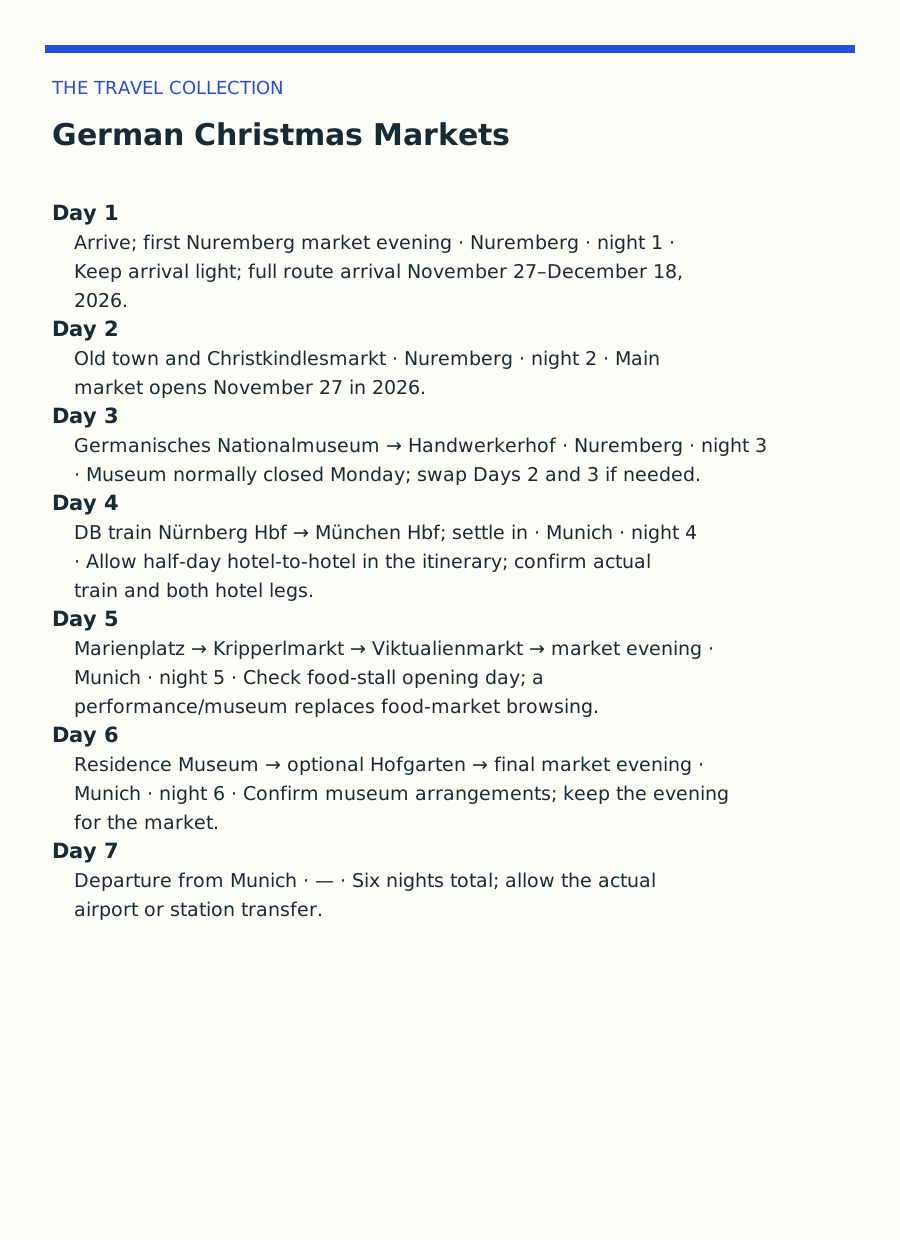
Take the plan with you
Open the companion day-by-day planner, add your own notes and print it for the trip.
Open the day-by-day planner