London is easier to enjoy when the day has a clear area and a few worthwhile stops. This three-day itinerary begins around Westminster, follows the Tower and river area on the second day, then makes time for the British Museum and Bloomsbury.
It is a first-visit plan for three usable sightseeing days, combining landmark views, a manageable museum focus and neighborhood time. Place any performance or essential timed visit first, then arrange the days around it. Arrival and departure travel sit outside the sightseeing program.
Day-by-day route planner
Open the companion sheet, mark your choices and print a copy for the trip. Your entries stay in this open page and are not saved after you leave it.
Why this plan works
Choose this plan for a first look at the landmark areas with room for art, history and ordinary neighborhood time. Westminster and the West End stay together, the Tower gets its own river day, and Bloomsbury anchors the museum morning. It is a useful structure to adapt around a performance, family interests or a slower walking pace.
Three days in London at a glance
| Day | Focus | Choose in advance |
|---|---|---|
| 1 | Westminster, St James's Park, Trafalgar Square and the West End | An optional paid interior or National Gallery visit |
| 2 | Tower visit, Tower Bridge and the nearby south-bank riverside | Tower tickets; skip the interior for the longer City walk instead |
| 3 | British Museum, Bloomsbury and one neighborhood | A manageable museum visit and one afternoon direction |
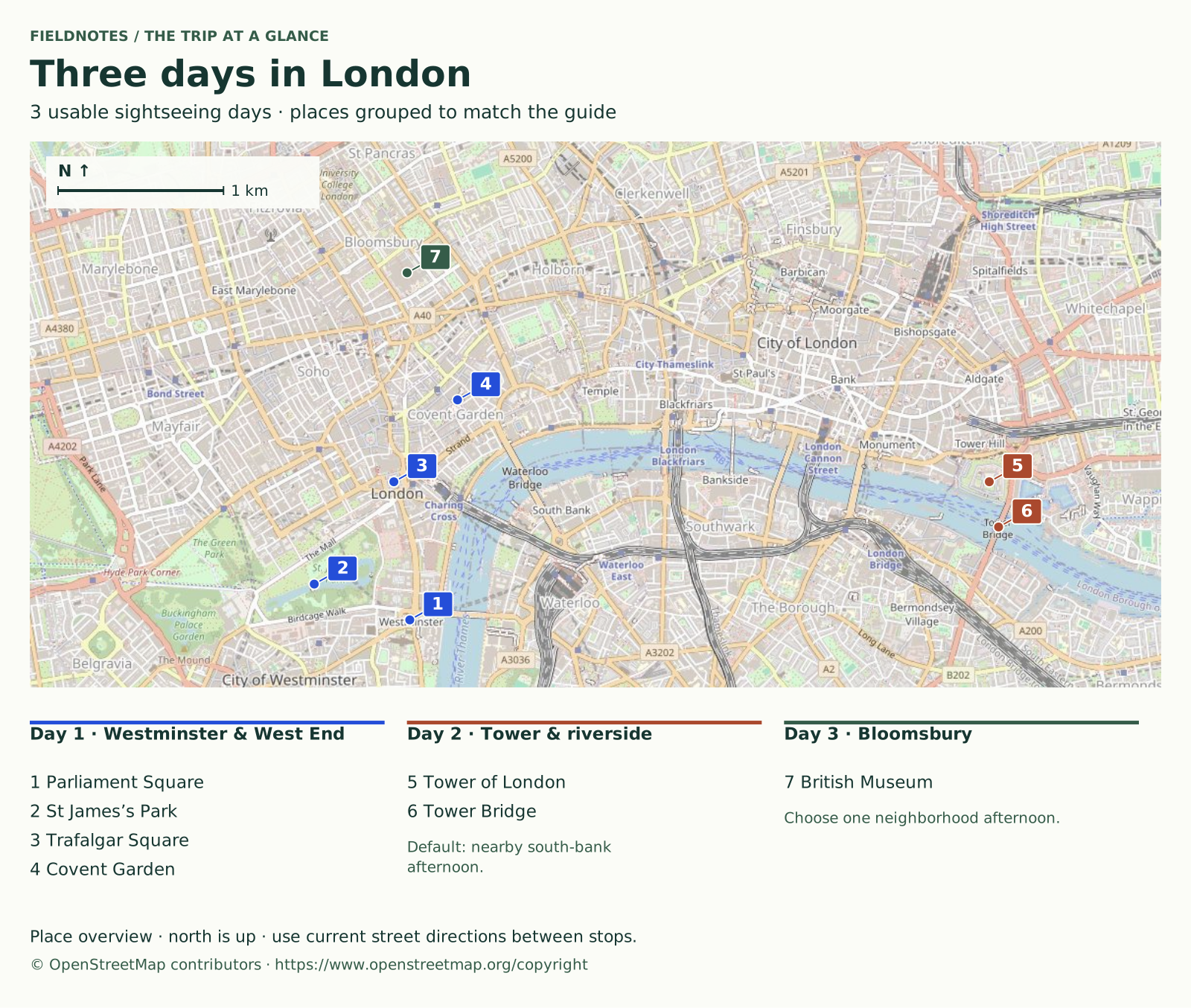
Open places in Google Maps
- 1. Parliament Square — Day 1 · Westminster & West End
- 2. St James’s Park — Day 1 · Westminster & West End
- 3. Trafalgar Square — Day 1 · Westminster & West End
- 4. Covent Garden — Day 1 · Westminster & West End
- 5. Tower of London — Day 2 · Tower & riverside
- 6. Tower Bridge — Day 2 · Tower & riverside
- 7. British Museum — Day 3 · Bloomsbury
Day 1: Westminster, Trafalgar Square and the West End
Morning: begin around Parliament Square
Start with the exterior views around Parliament Square and Westminster Bridge. This gives you the familiar Palace of Westminster and Elizabeth Tower setting without assuming you can enter every building. If an interior visit is important, use the responsible venue's official booking information and make it the morning's main reservation.
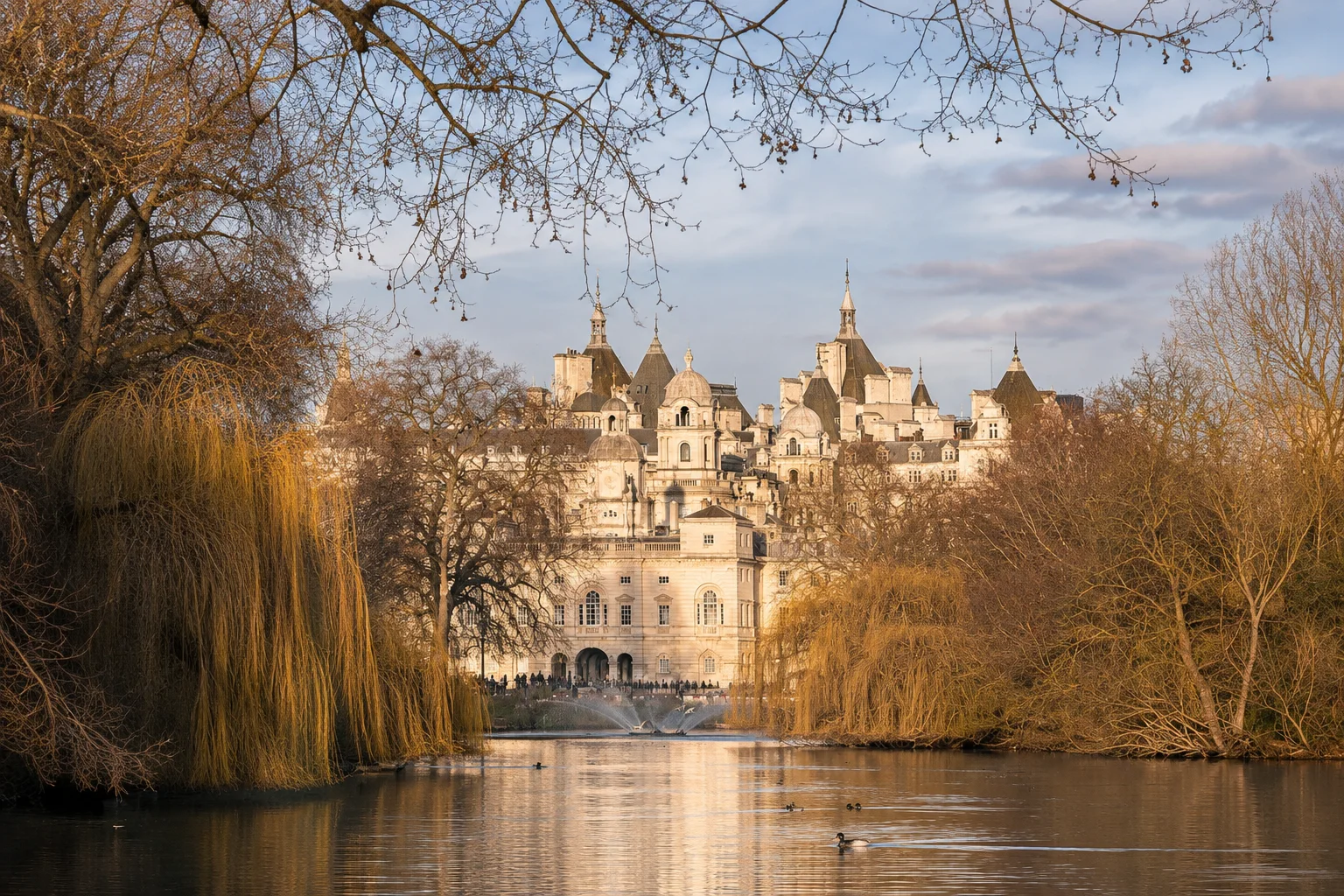
Continue through St James’s Park for a change from the busier streets around Parliament Square. Use it as a walking link and a place to pause. If a ceremonial event is an important part of your visit, place its confirmed arrangements into the day before fixing the rest of the route.
Afternoon: Trafalgar Square and a focused gallery visit
Move toward Trafalgar Square and the National Gallery. General admission to the gallery is free, while some exhibitions are charged separately. Choose a few rooms or works rather than attempting the entire collection between lunch and dinner.
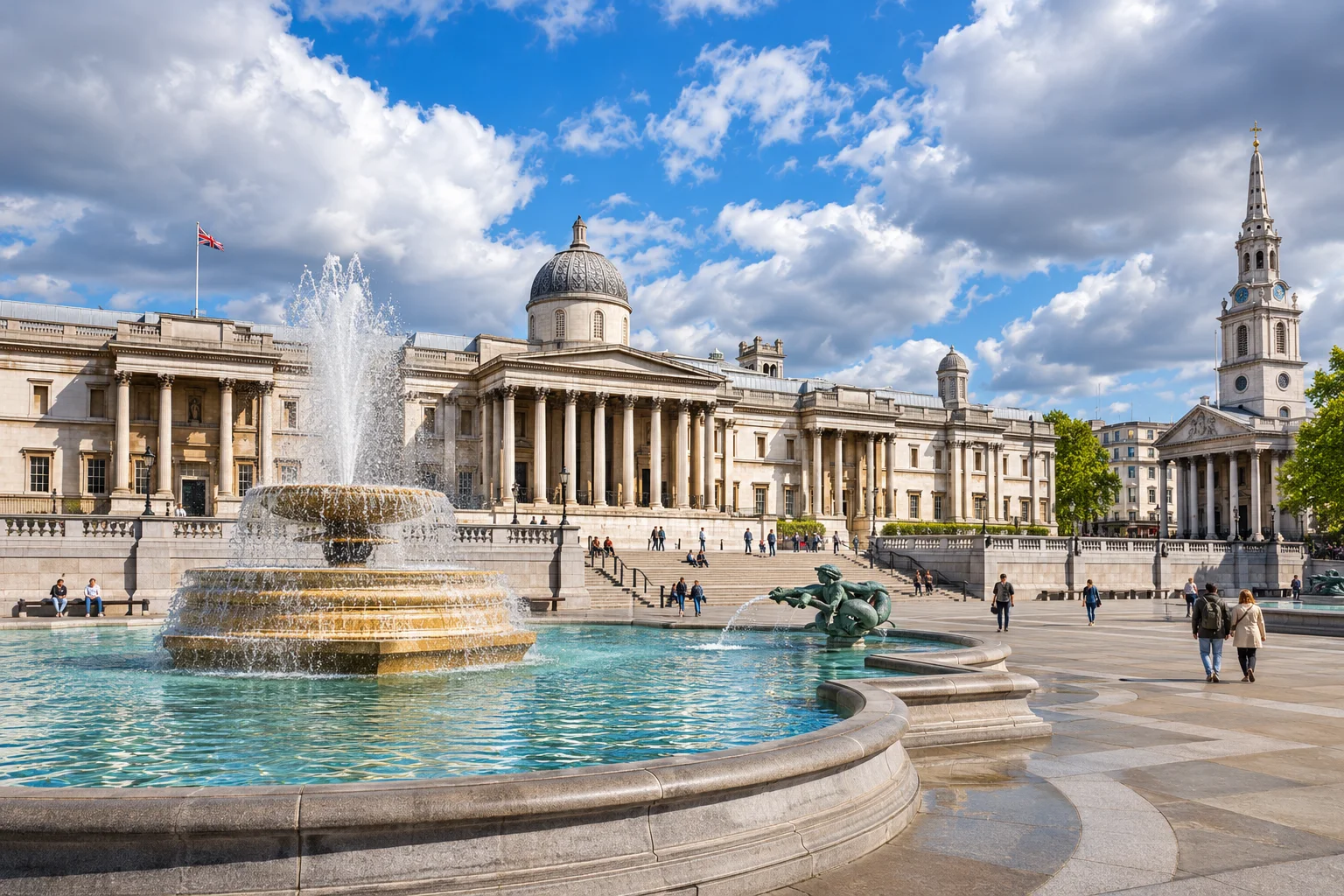
The gallery offers free advance tickets and also has walk-up arrangements. Check the current visit page, especially when a particular painting or exhibition matters to you; room closures and collection moves can affect what is on display.
Evening: Covent Garden, Soho or a performance
Choose Seven Dials and the streets around Monmouth Street for the Covent Garden version, or head into Soho around Old Compton Street for a livelier dinner area. Pick one. If you have theatre tickets, choose food near that theatre and work backwards from its arrival guidance; shorten the gallery visit rather than rushing dinner.
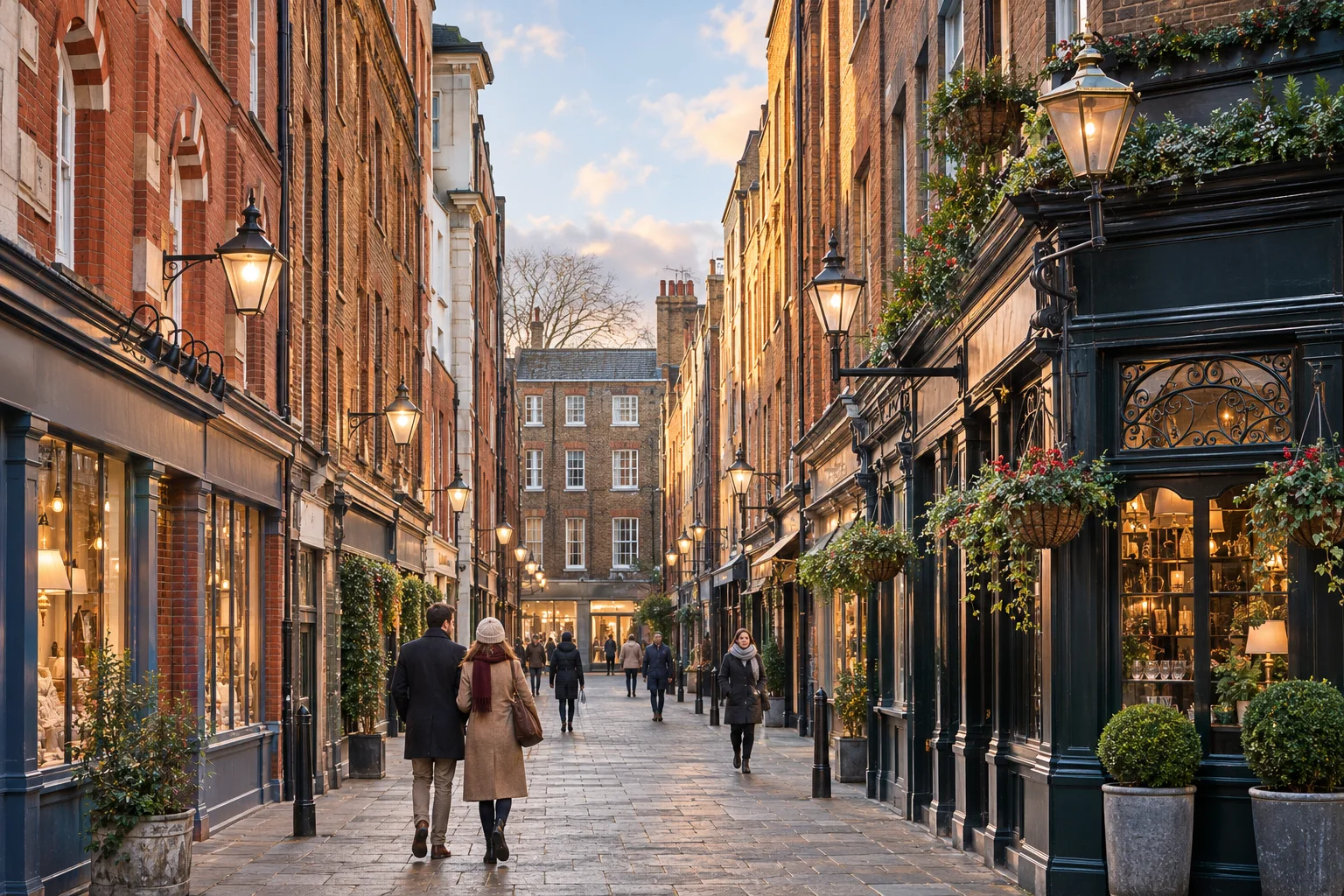
Day 2: the Tower, the City and the river
Morning: make the Tower your main visit
The default plan gives the morning to a Tower of London visit. Use Historic Royal Palaces’ visit page for the official tickets, date-specific hours, closures and suggested route. Leave room for the visit itself rather than treating it as a quick photo stop. If the interior is not a priority, replace it with the exterior and riverside setting, then use the extra time for the longer City walk described below.
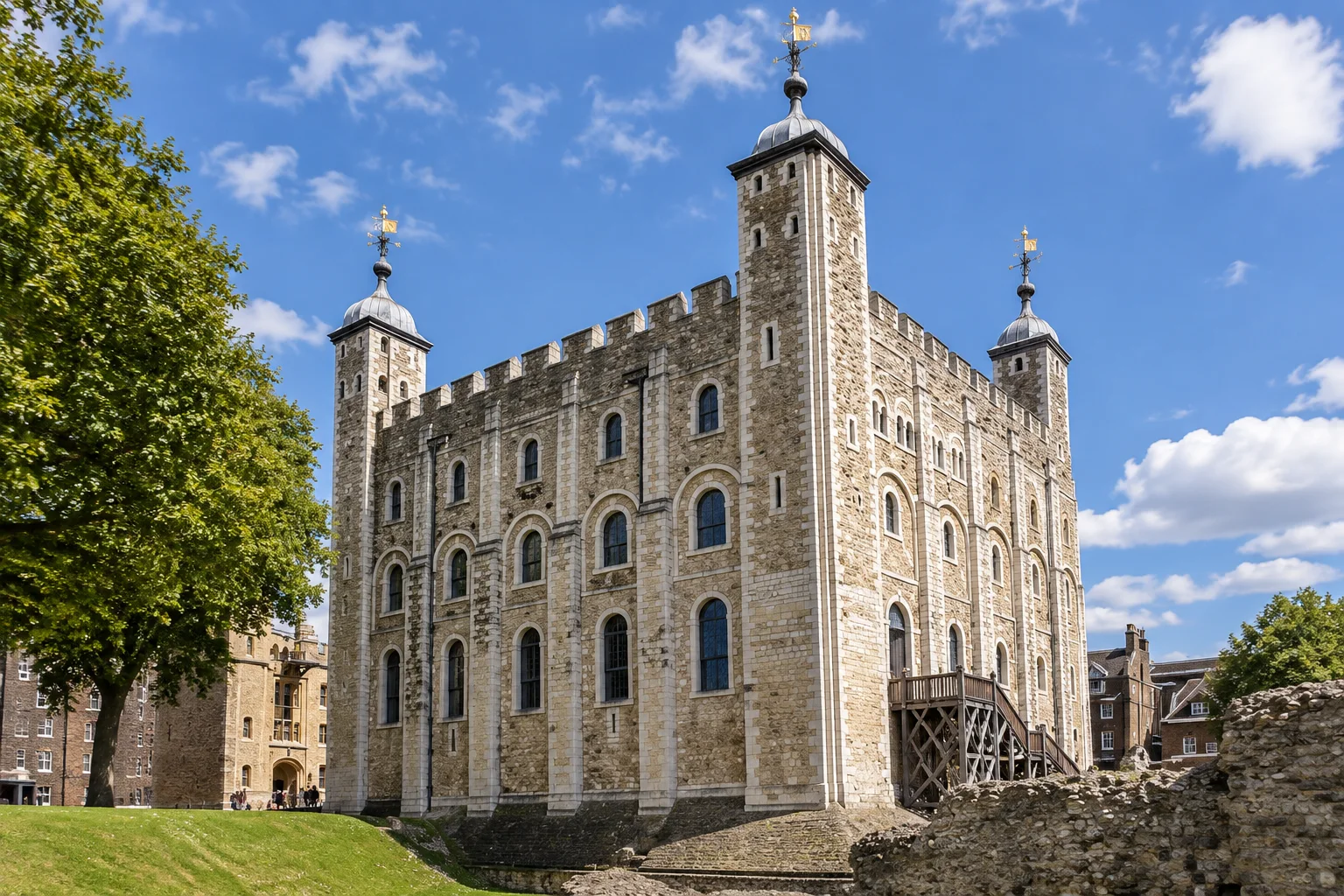
Tower Bridge and the Tower of London are separate attractions. Seeing the bridge from the river does not include its ticketed experience, and a Tower visit does not automatically provide every nearby admission.
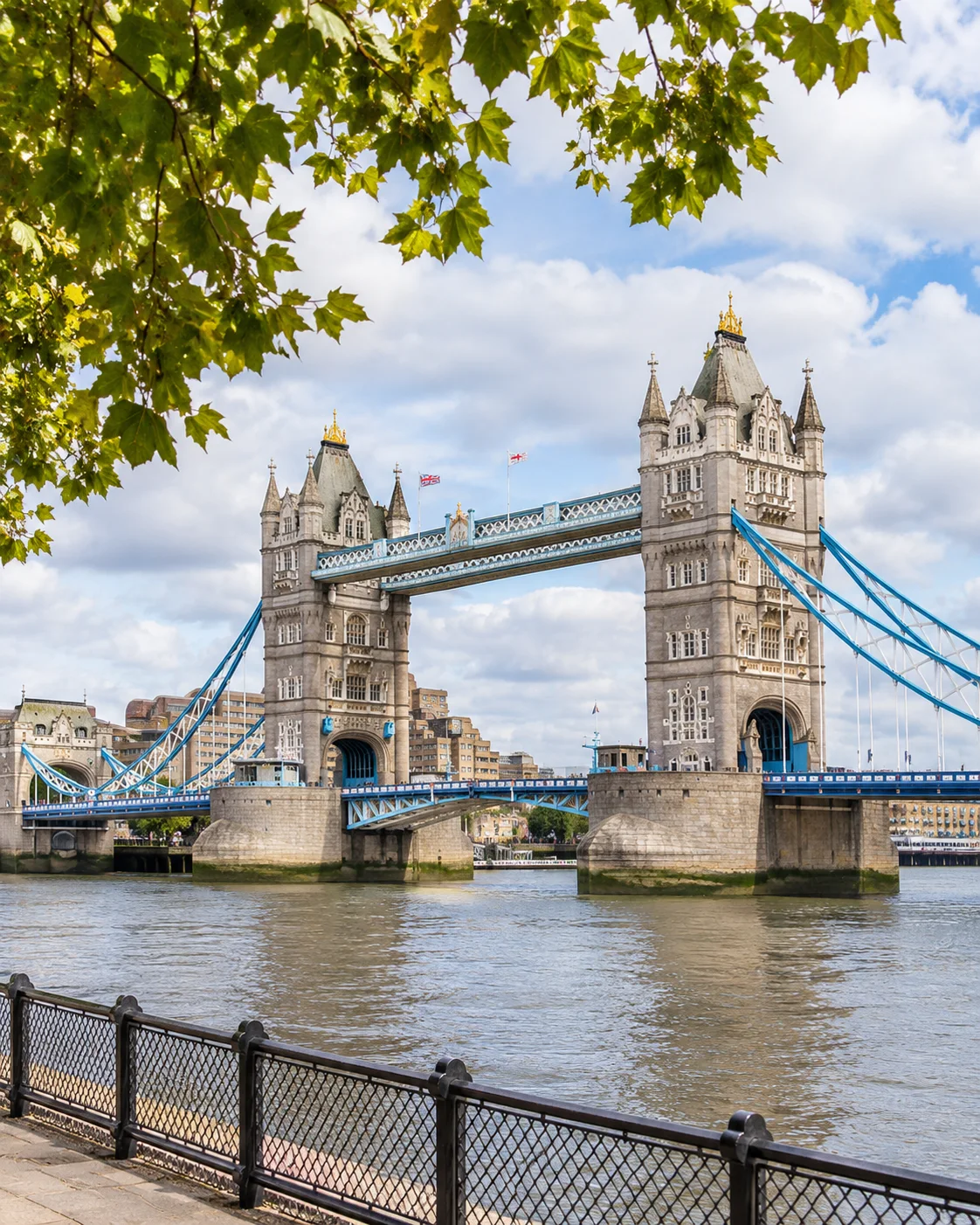
Afternoon: cross Tower Bridge and stay near the river
After the Tower, cross Tower Bridge and turn toward Shad Thames for the former-warehouse streets and riverside setting. Choose lunch around Shad Thames or nearby Tooley Street, then keep the walk to Potters Fields and the river views. This is the compact default after a substantial Tower visit; Borough Market lies farther west and belongs to a longer afternoon, not a compulsory lunch detour.
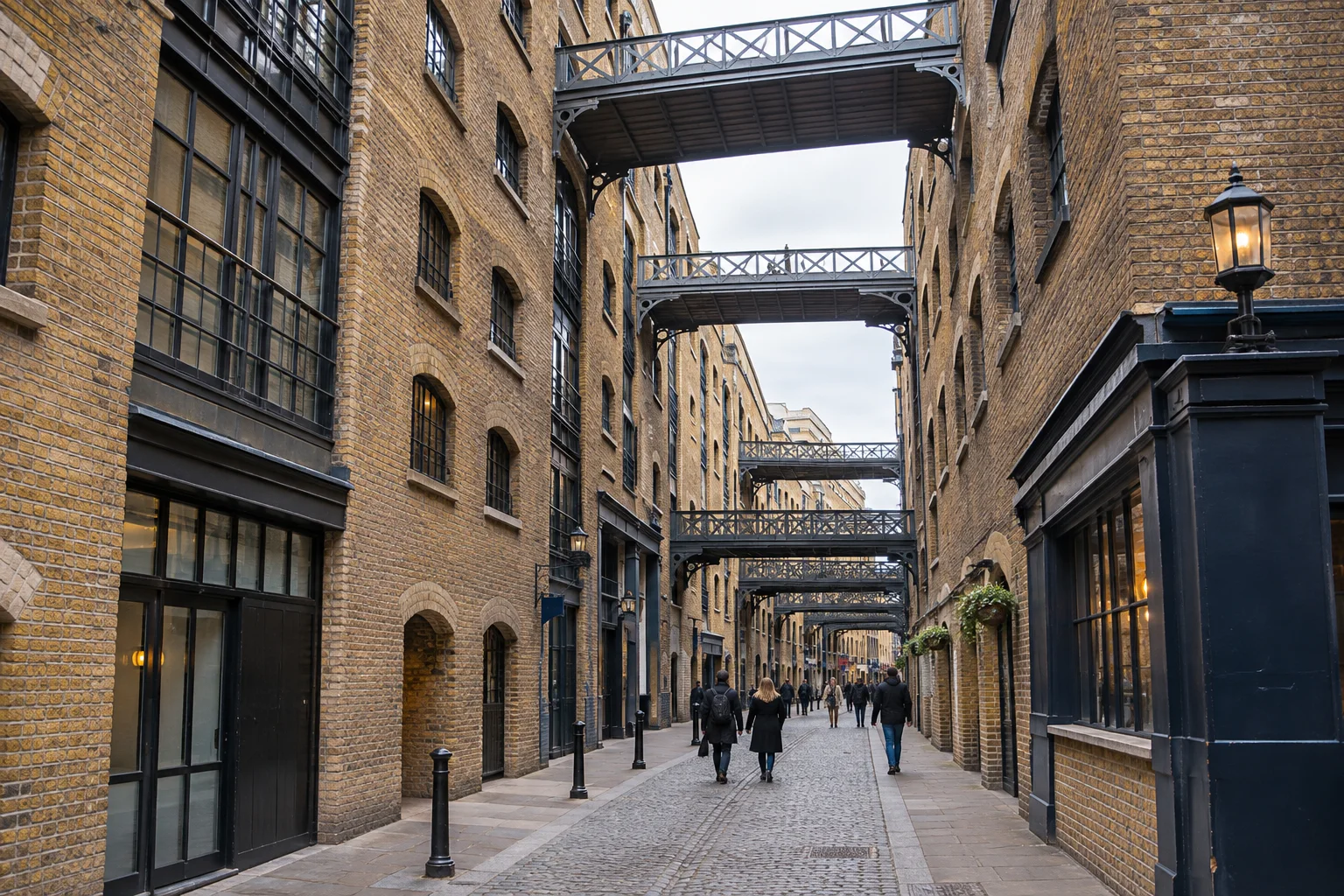
For a longer walking day, skip the Tower interior and follow the City toward the Millennium Bridge and the Tate Modern area instead. That route replaces the nearby Tower Bridge afternoon; it is not an extra list to complete after it. A museum visit or viewpoint can take the place of part of the walk.
Evening: finish near the afternoon's final stop
Keep dinner close to where you finish or on an easy route back to your accommodation. If the weather is good, this is a natural day for a little more riverside time. If it is wet or you are tired, use transport and call the day complete.
Day 3: the British Museum and a neighborhood afternoon
Morning: give the British Museum a clear focus
General entry to the British Museum is free, and the museum recommends booking a free ticket in advance. Walk-in access depends on capacity, so free admission should not be confused with a guaranteed immediate entrance.
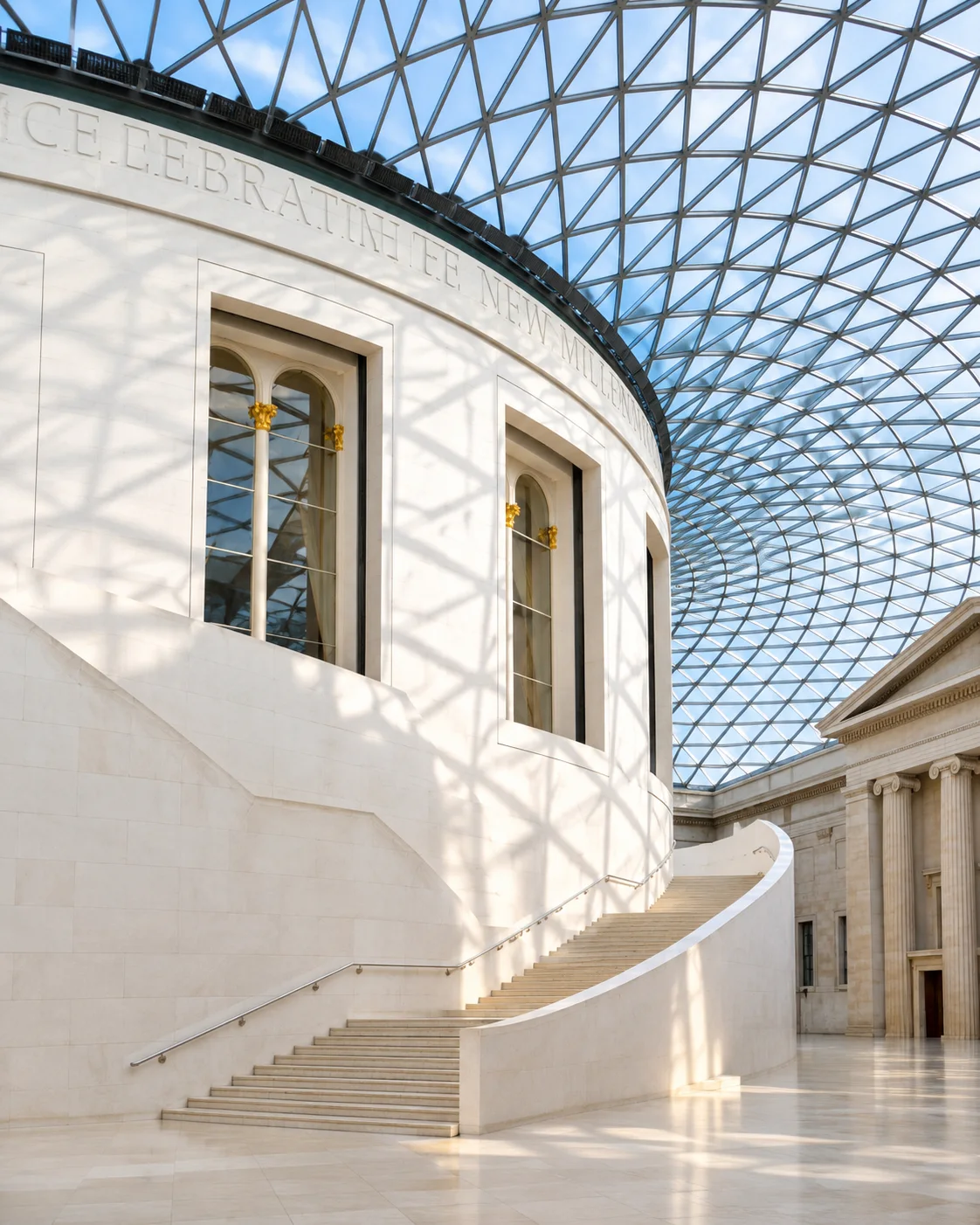
Use the Great Court as a starting point to orient yourself, then choose a small set of galleries that match your interests. Leave large luggage elsewhere: the museum does not permit larger bags and wheeled suitcases. Allow for security, then give the chosen collection enough time without trying to finish the whole museum before lunch.
Afternoon: choose one direction
Make Bloomsbury the default: from the museum, walk to Russell Square for a pause, then continue toward Lamb’s Conduit Street for lunch or coffee and independent shopfronts. Finish around Queen Square before returning to your base. The appeal is the change of scale after the museum—garden squares and everyday streets rather than another landmark circuit.
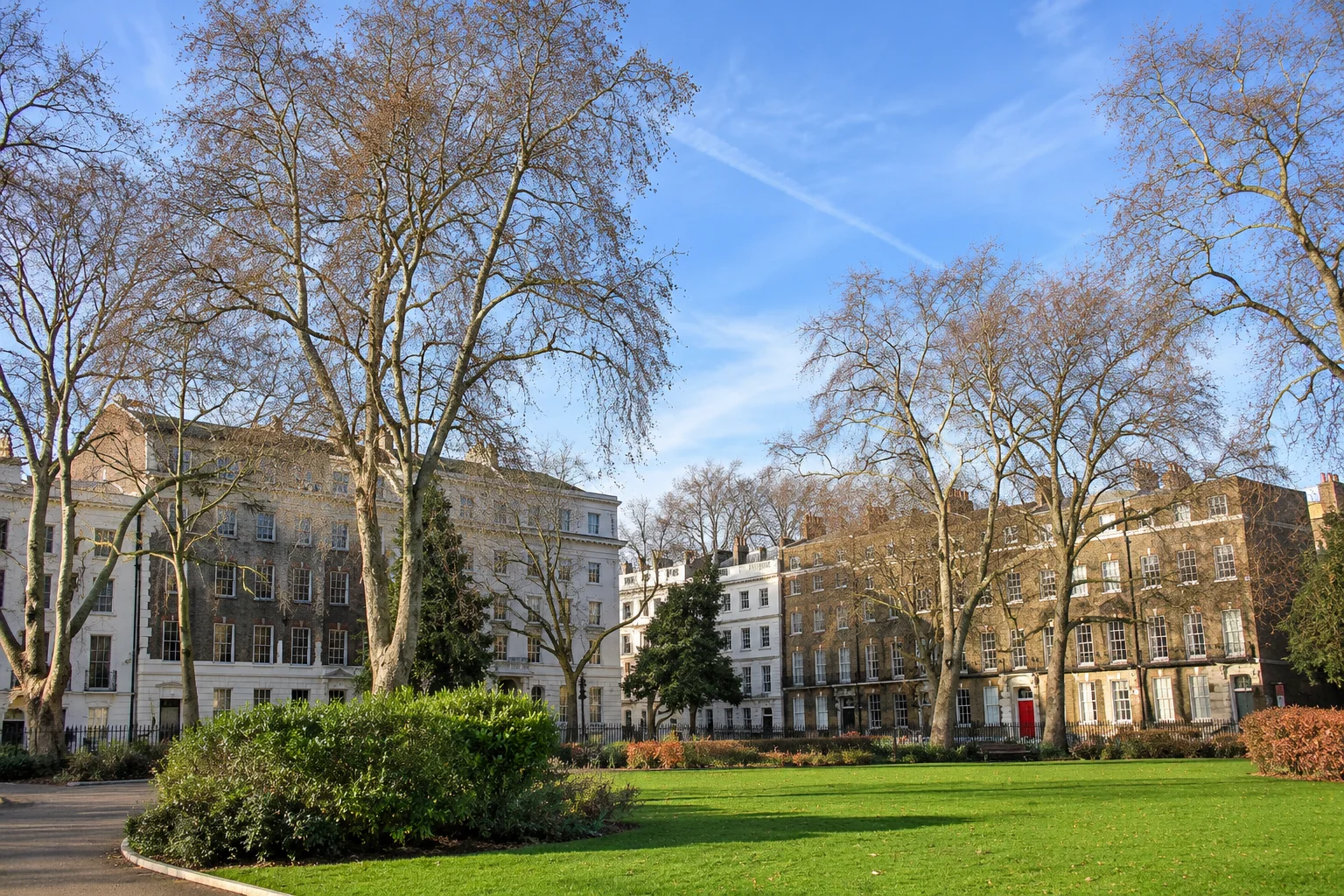
For a different final afternoon, replace that circuit with Marylebone High Street. It suits a shopping-and-café finish; use a TfL-planned connection or allow a longer cross-town walk, and leave Russell Square and Lamb’s Conduit Street out. Stay in Bloomsbury if you want the least travel after the museum.
If another major museum matters more than the British Museum, substitute it and rebuild the afternoon around its location. South Kensington, for example, is a different day shape from a Bloomsbury morning; treating all the museums as interchangeable nearby stops makes the route less useful.
How to pay for ordinary London transport
TfL offers pay-as-you-go travel using an accepted contactless card or device, or Oyster. Use the same card or device to touch in and out where required. A phone, watch and linked physical card are different payment media, even when they draw from the same account.
On buses and trams, touch in only. Each traveler needs their own appropriate payment medium for the journey. Check the current TfL rules for your circumstances, including children, concessions, airport routes and any payment-card restrictions.
Use the official journey planner for the actual dates and stations. This itinerary does not assume that every airport, river service or special attraction transport is included in an ordinary fare cap.
Where to stay and what to reserve
| Base area | Best fit within this route | Tradeoff |
|---|---|---|
| Bloomsbury | Museum morning, quieter square-based evenings and access toward the mainline stations to the north | Day 2 still needs a journey east to the Tower; verify the walk from your actual arrival station |
| Covent Garden / Holborn | West End performance evenings and the Day 1 gallery-to-dinner route | Busy evenings; exact street, noise and the walk with luggage matter |
| Waterloo / South Bank | A riverside base and easy access to the Westminster side of Day 1 | Cross-river travel for the British Museum; test your airport or rail connection before booking |
Compare the exact address in TfL’s journey planner, including step-free requirements and late check-in. A neighborhood name alone does not establish a simple arrival.
Reserve essential paid attractions and performances first, then place the museum days around their openings and your energy. Check the official visit pages for free-ticket arrangements too. A free attraction can still need planning.
Ways to adapt the itinerary
With children, reduce the museum scope and keep more time for breaks. With limited mobility, plan accessible routes with the relevant operator and venue rather than assuming a walking itinerary is step-free. In persistent rain, choose one indoor focus each day and shorten the exterior route.
For a shorter trip, keep two area-based days and accept the missing third. A flexible plan with a few satisfying visits is more useful than three days of landmarks squeezed into one.
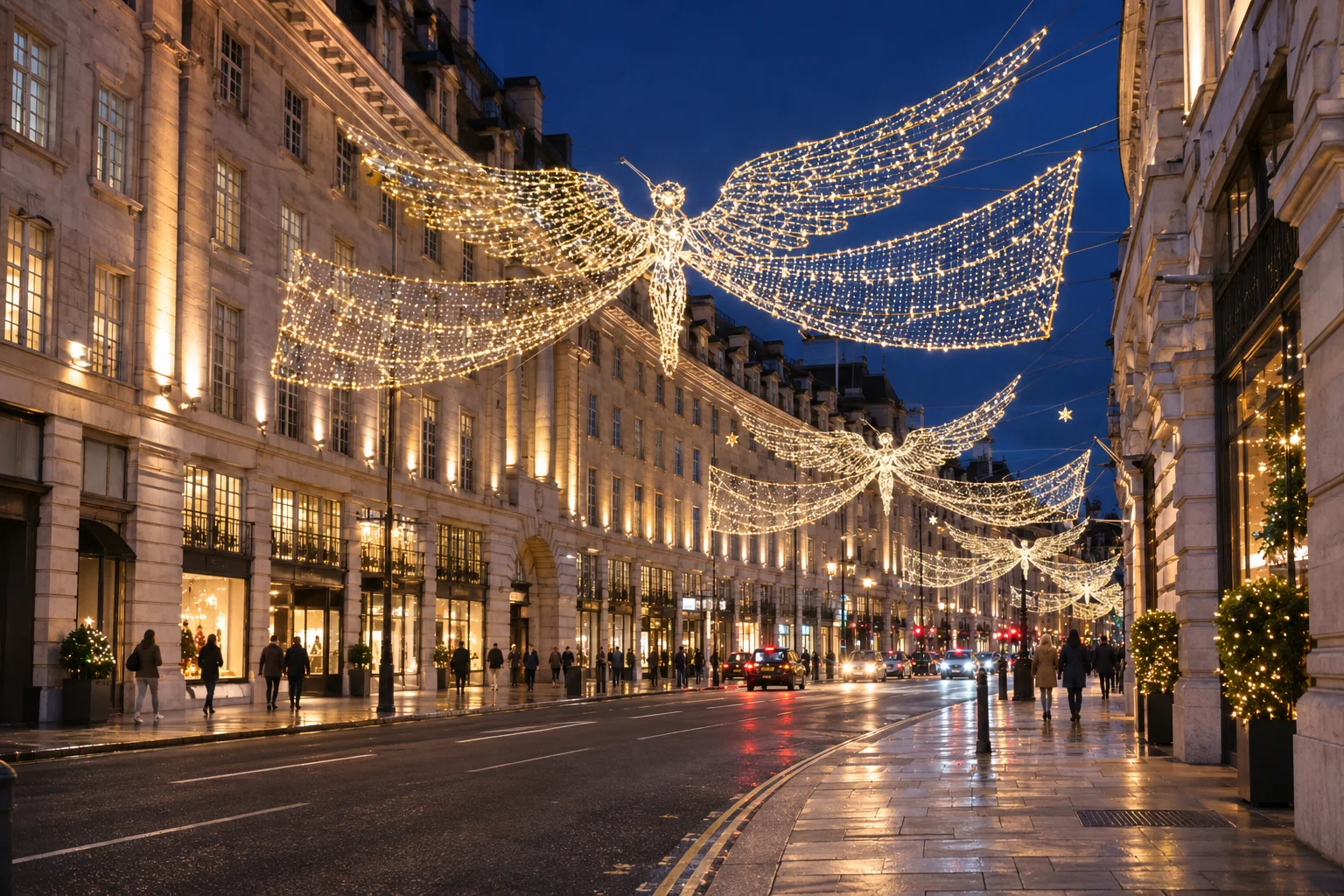
For festive lights and markets, replace part of the general route with Christmas in London. Use the carry-on list for a compact city bag or the winter packing guide when the forecast calls for warmer clothing.
London itinerary questions
Are the museums all free?
The British Museum and National Gallery have free general admission, with separate arrangements for some exhibitions. Other London attractions have their own pricing and ticket rules.
Do I need to buy a transport pass before arriving?
Not automatically. Compare the current options for your actual journeys and eligibility. Check your card's compatibility and any issuer charges before relying on it.
Can I add a day trip?
Yes, by replacing one of these London days and planning the outward and return journeys. A separate destination is not an extra stop between the museums.
Useful official planning links
- Visit | British Museum
- Plan your visit | Visiting | National Gallery, London
- Pay as you go - Transport for London
Check the arrangements for your travel dates before booking or departure.