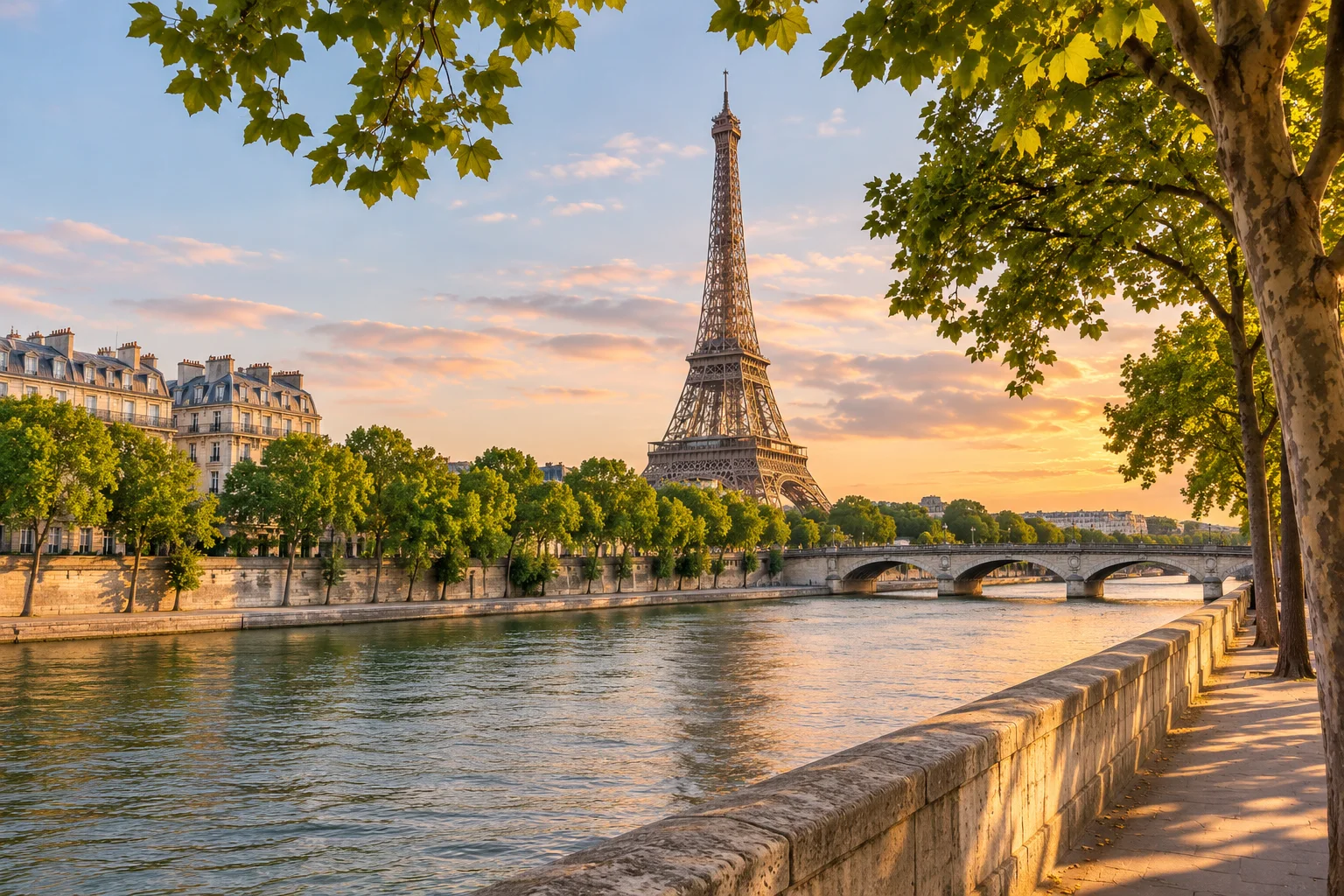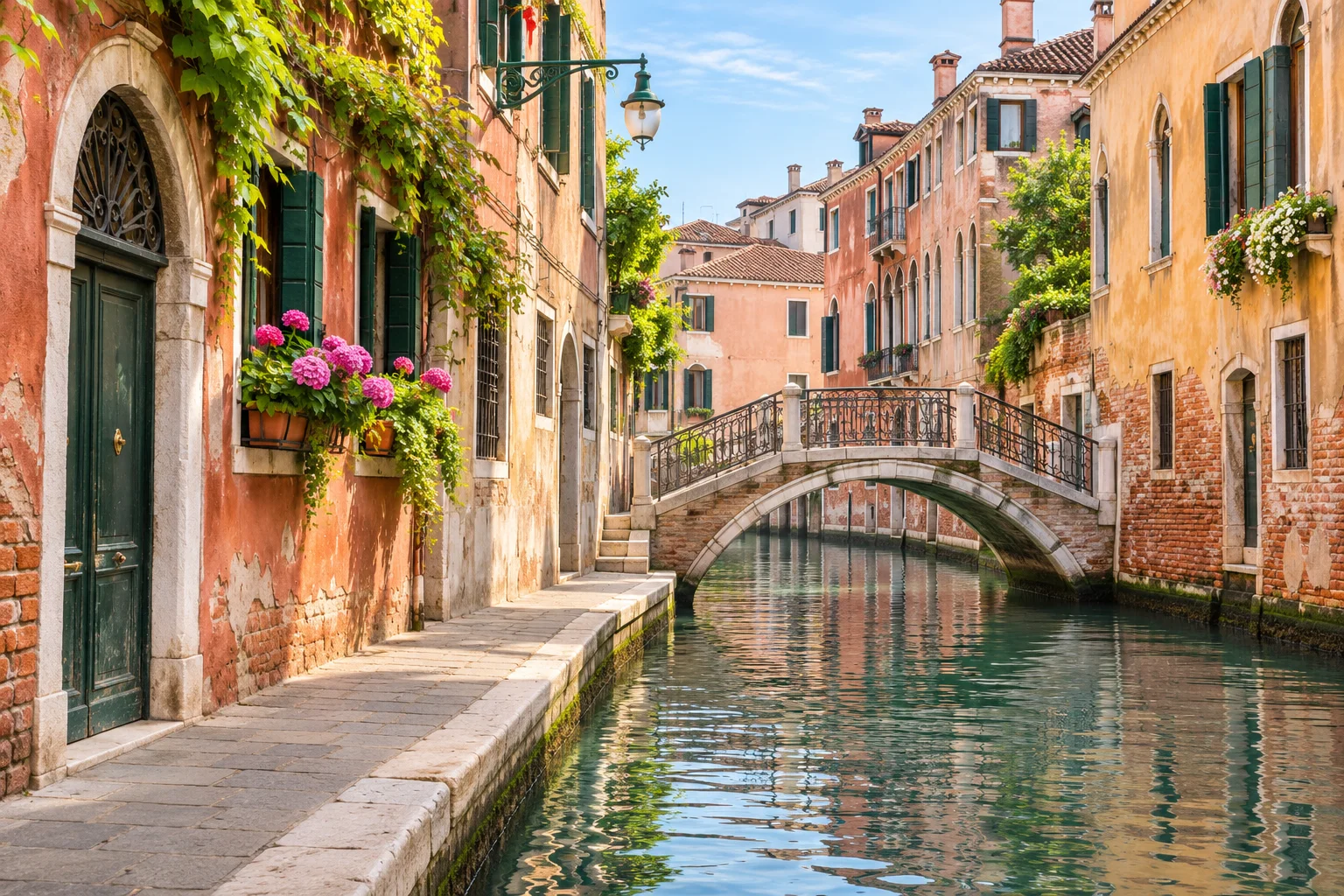
Rome, Florence and Venice give a first Italy trip three distinct settings: ancient-city sights, art and streets beside the Arno, then canals and slower neighborhood walks. This ten-day itinerary connects them by train and gives each base enough time for more than a check-in and a photograph.
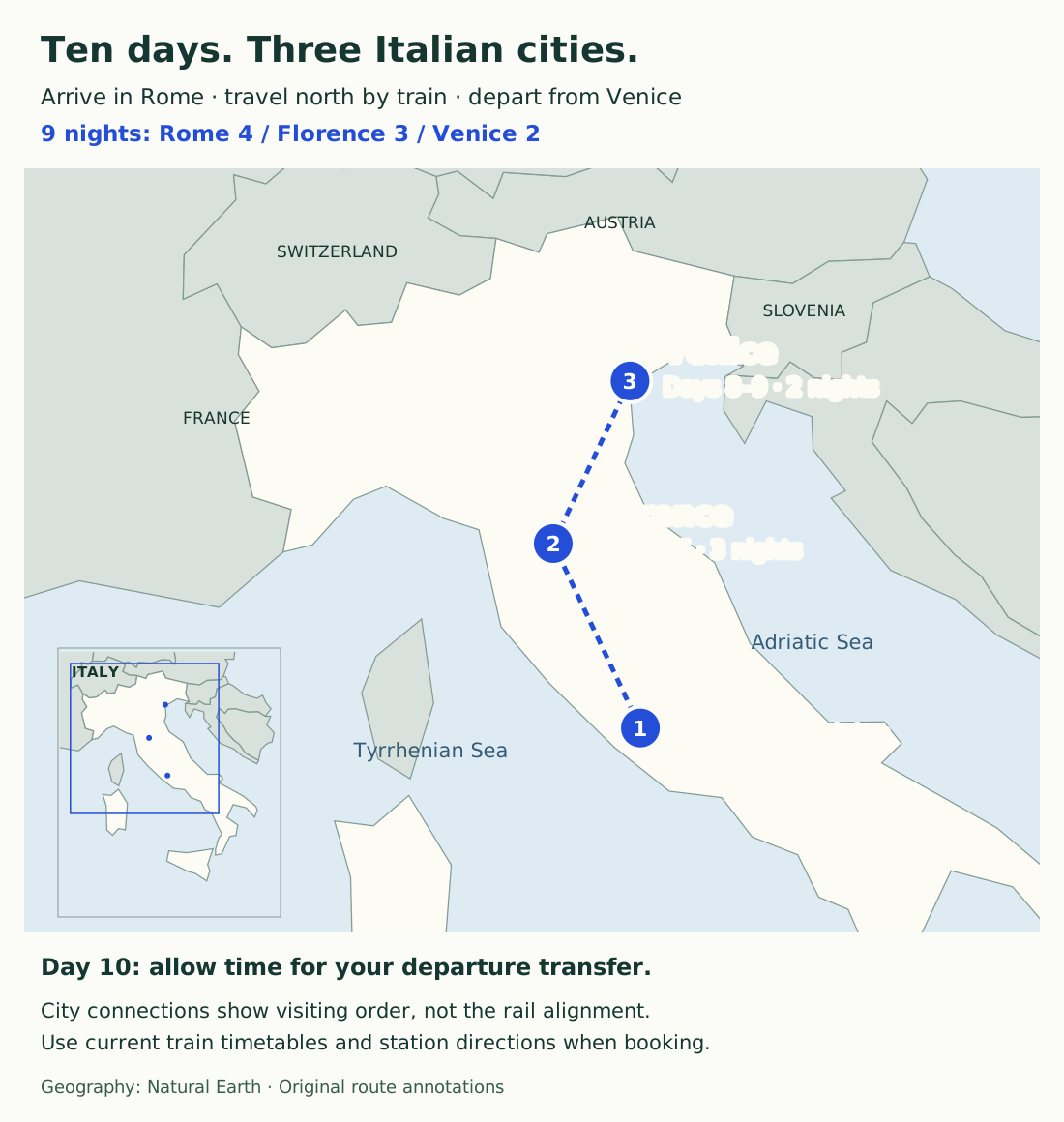
The plan uses ten calendar days and nine nights: four in Rome, three in Florence and two in Venice. It works best with arrival in Rome and departure from Venice. The two train days stay lighter, leaving three full Rome days, two full Florence days and one full Venice day around them.
Day-by-day route planner
Open the companion sheet, mark your choices and print a copy for the trip. Your entries stay in this open page and are not saved after you leave it.
Why this plan works
Choose this version when you want a first rail trip with three bases and time inside each city. Four Rome nights absorb arrival and leave three full days; Florence gets two full days around its transfer; Venice gets an arrival afternoon and one complete day. Cinque Terre and the Amalfi Coast belong to different route choices, so the time here stays with the three selected cities.
The ten-day route at a glance
| Day | Plan | Overnight base |
|---|---|---|
| 1 | Arrive, settle in and take a short neighborhood walk | Rome |
| 2 | Colosseum and the ancient-center area | Rome |
| 3 | Vatican Museums and a flexible nearby afternoon | Rome |
| 4 | Historic-center walk and any remaining Rome priority | Rome |
| 5 | Train to Florence and a gentle first walk | Florence |
| 6 | Uffizi, Piazza della Signoria and Ponte Vecchio | Florence |
| 7 | Oltrarno and a slower Florence day | Florence |
| 8 | Train to Venice and settle into the city | Venice |
| 9 | Doge’s Palace, San Marco, Rialto and Cannaregio | Venice |
| 10 | Departure, with a realistic airport or station transfer | — |
The two intercity train days are not full sightseeing days. Keep Day 1 light too: a delayed flight or tired arrival should not cost you the attraction you most wanted to see.
Days 1–4: Rome without rushing every reservation
Day 1: arrive and get comfortable
Reach the accommodation and choose one short walk near the base. From Monti, use Via dei Serpenti and Piazza della Madonna dei Monti for a first square-and-street circuit, with a meal nearby. If you stay around the Pantheon, keep the first evening to Piazza della Rotonda and Piazza Navona instead. Choose the version near your room; do not turn a tired arrival into a crossing of Rome.
Day 2: the Colosseum and ancient Rome
Make your Colosseum reservation the anchor for the day. The official site requires a reserved time slot, issues tickets in the visitor's name and requires identification with the ticket. Read the inclusions carefully: access to the arena, underground and other special areas depends on the ticket type.
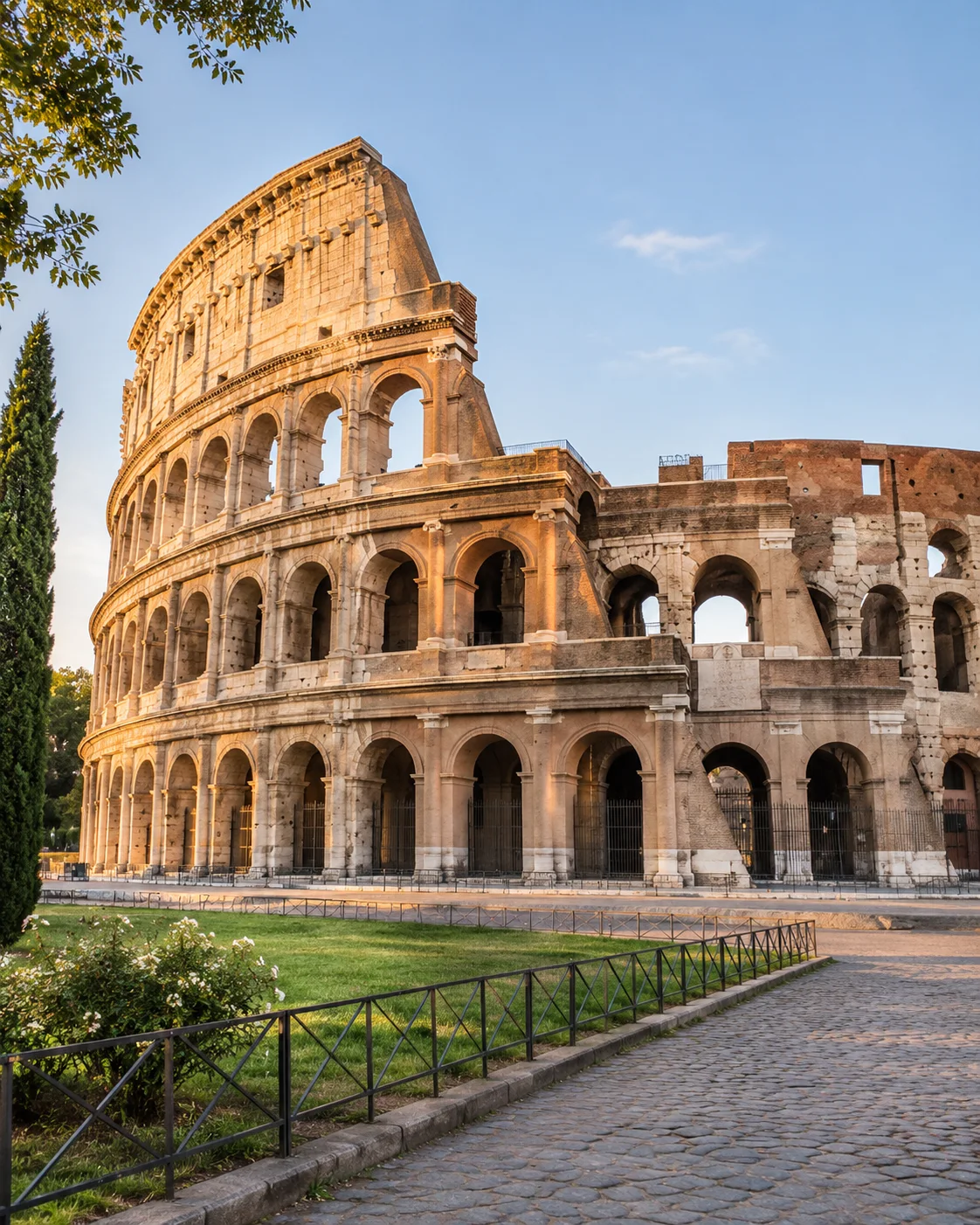
If your admission includes the Roman Forum and Palatine, choose a morning Colosseum slot and give the later part of the day to those archaeological areas, following the entry sequence and validity of that ticket. Keep lunch and a rest between the main blocks where the admission conditions allow; do not assume re-entry. If those areas are not included or the full visit is too much, take the exterior walk along Via dei Fori Imperiali toward Piazza Venezia instead. That replaces the Forum/Palatine visit and keeps the day in ancient Rome’s setting.
Day 3: the Vatican Museums
Use the official Vatican Museums booking route and check the opening date and ticket conditions before confirming the rest of the day. The Museums ticket includes the Sistine Chapel under its stated conditions; it is not a universal ticket for every separate Vatican visit or a promise of a shortcut into St Peter's Basilica.
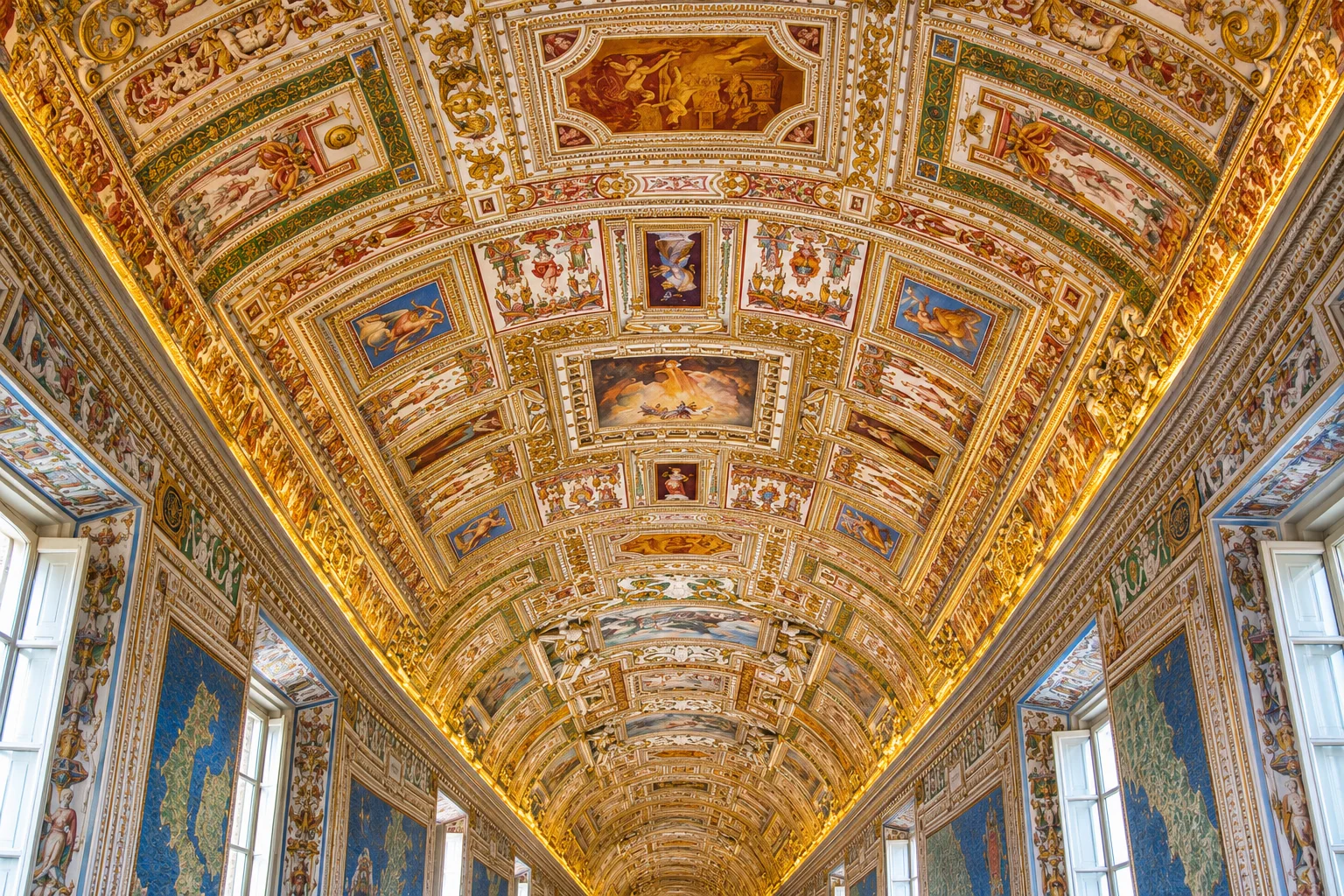
Keep the afternoon in Prati: Via Cola di Rienzo gives you a clear shopping-and-food street, with quieter side streets for a sit-down meal after the museum. If St Peter’s Basilica is the priority, substitute its separately planned visit for this Prati afternoon. Keep the Vatican Museums ticket and the basilica’s access arrangements distinct.
Day 4: choose a historic-center walk
Start at Piazza Navona, continue through the Pantheon area, then take the smaller streets toward the Trevi Fountain. This is an exterior historic-center walk; a Pantheon interior is a separate admission decision. For lunch, return toward the lanes around Piazza Navona and Via del Governo Vecchio rather than eating only wherever the next queue ends. Choose a Roman pasta such as cacio e pepe or amatriciana if it appeals, then leave the late afternoon for a slower square or café stop.
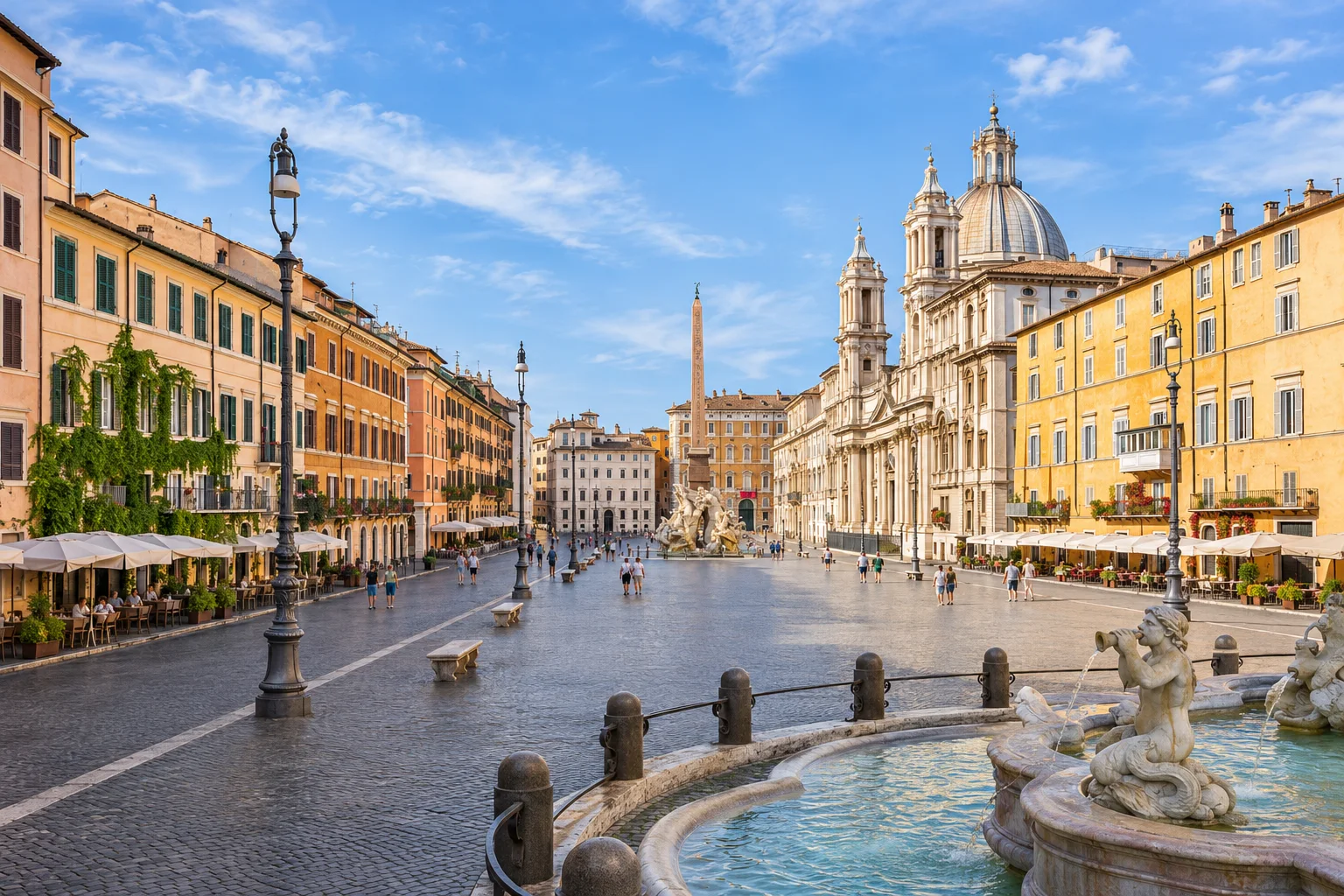
Use the day to enjoy Rome rather than to collect another distant city. If one of the major visits falls on an unsuitable opening day, swap the Rome days while preserving their area-based structure.
Days 5–7: Florence and one optional change of pace
Day 5: travel to Florence
Book a train that leaves time to reach the station without rushing. Trenitalia's Frecciarossa network includes the Rome–Florence–Venice corridor, making this a practical rail order. Check the exact stations and service when booking instead of assuming every result uses the same city-center stop.
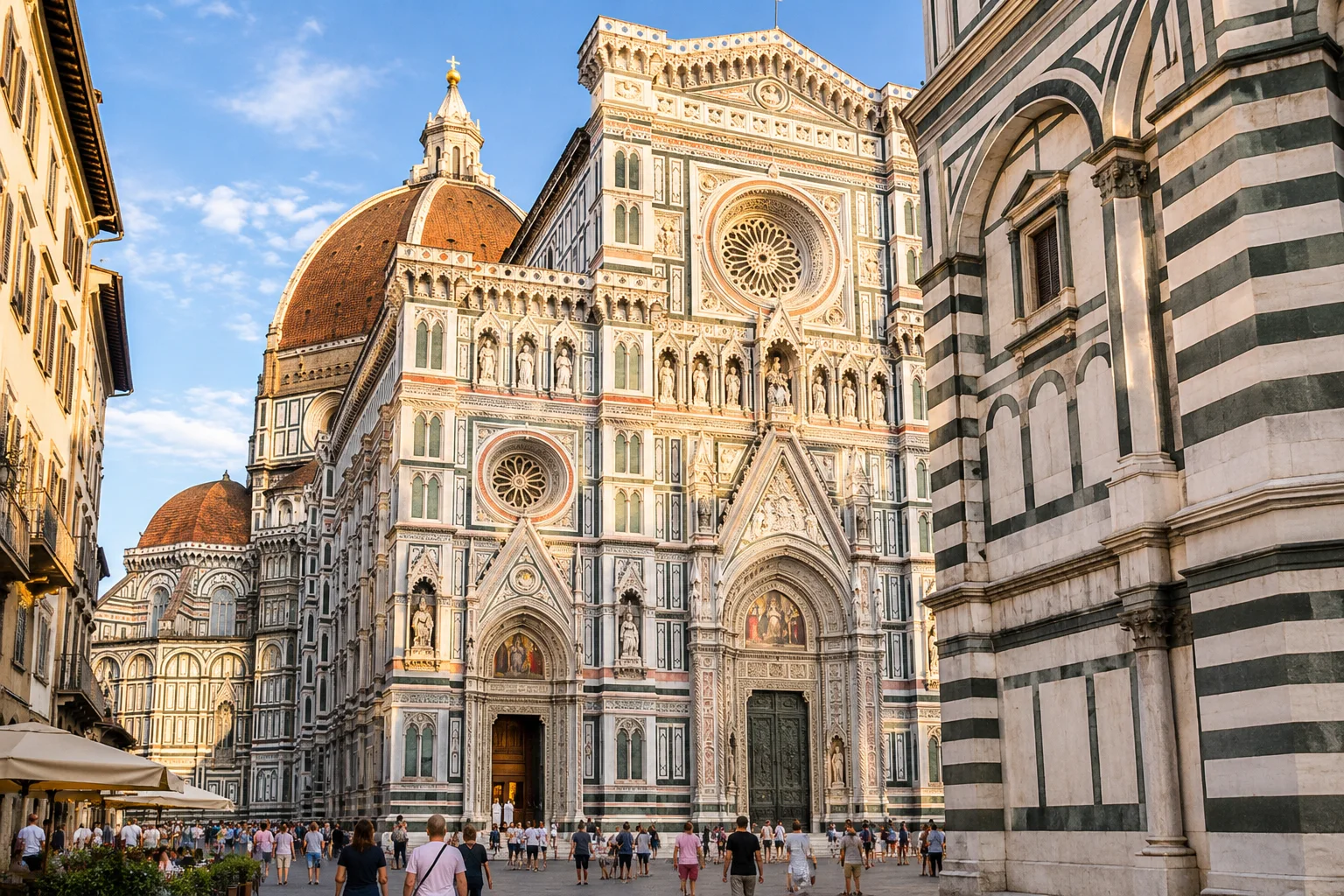
After arrival, leave luggage under the accommodation’s arrangements. From the Santa Maria Novella side, walk toward Piazza Santa Maria Novella and the cathedral exterior, then keep the evening around San Lorenzo if you want a food-focused finish. Choose a schiacciata sandwich for a simple meal or a sit-down Tuscan dinner; there is no need to turn arrival into a second museum day.
Day 6: give one major art visit enough space
Make the Uffizi the morning's main visit. Its paintings and sculpture give this art-focused Florence day a clear purpose; choose a few collection priorities instead of trying to absorb every room. The official site lists the usual closing day as Monday, so swap Days 6 and 7 if necessary and book through the museum's own ticket route.
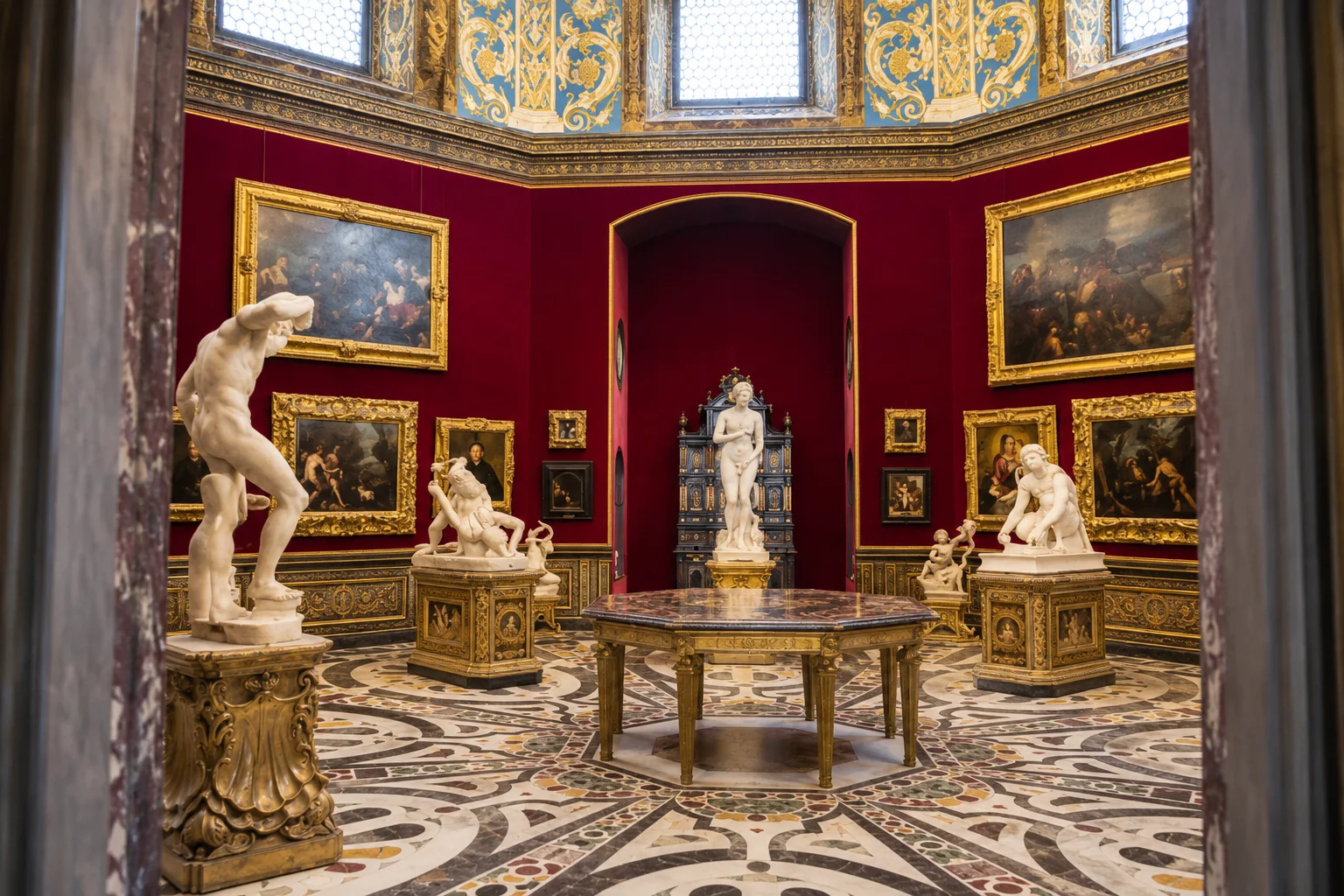
After a proper lunch, walk through Piazza della Signoria and continue toward Ponte Vecchio. Enjoy the change from gallery rooms to streets and river views without adding a second major art reservation. Finish with the cathedral square as an exterior stop if you still want more walking; entering its separate sites requires its own plan.
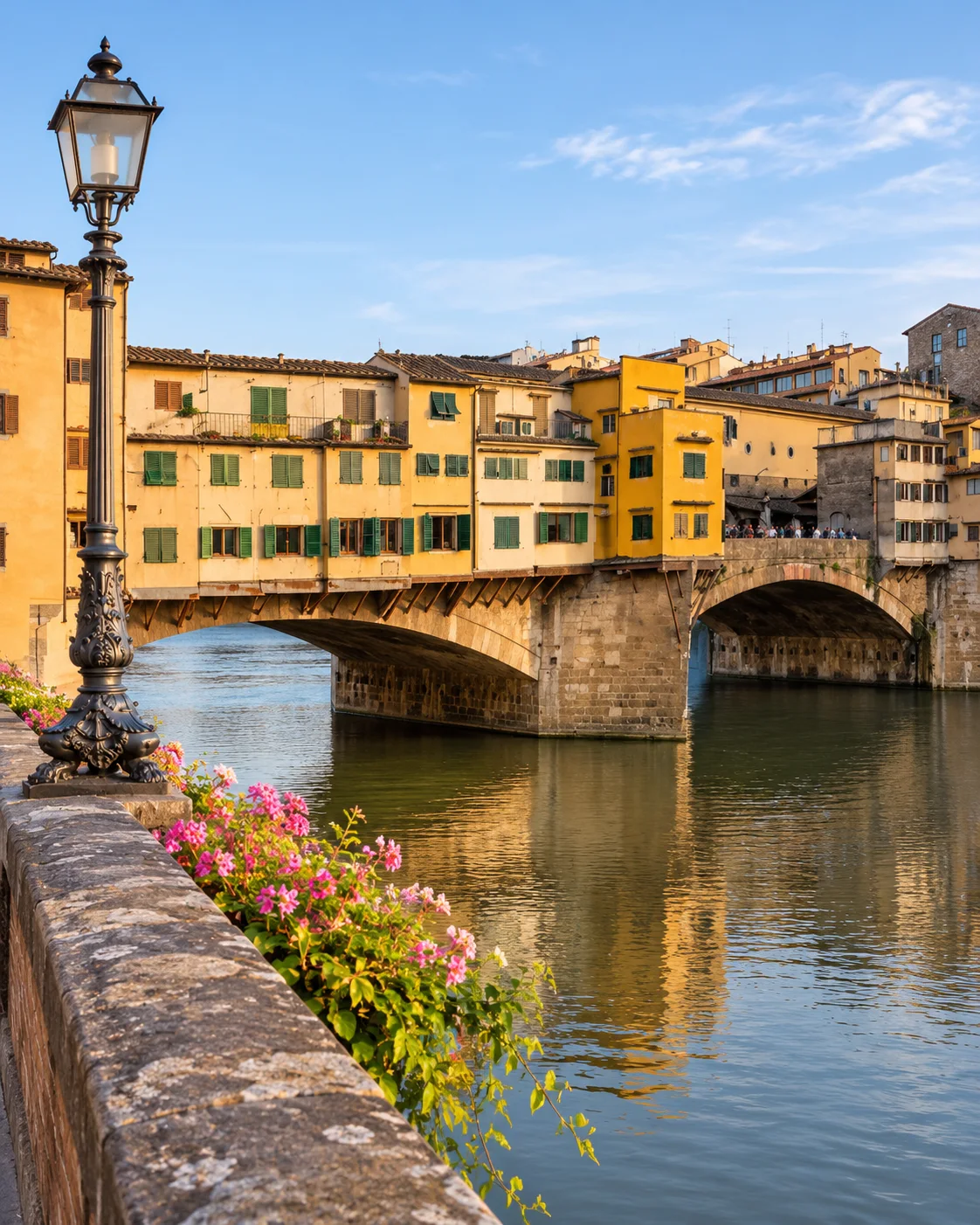
Check separate entry arrangements for cathedral-related sites and any viewpoint you want to visit. An exterior walk around a landmark does not include its ticketed areas.
Day 7: stay in Florence or choose one outing
The default stays in Florence, across the river in the Oltrarno. Cross Ponte Santa Trinita, use Via Santo Spirito and Via dei Serragli for a smaller-street walk, then pause in Piazza Santo Spirito for lunch. This gives the second full day an artisan-street and neighborhood-square focus after the Uffizi. A Tuscan soup such as ribollita or a simple sandwich makes a different meal choice from another long restaurant sitting.
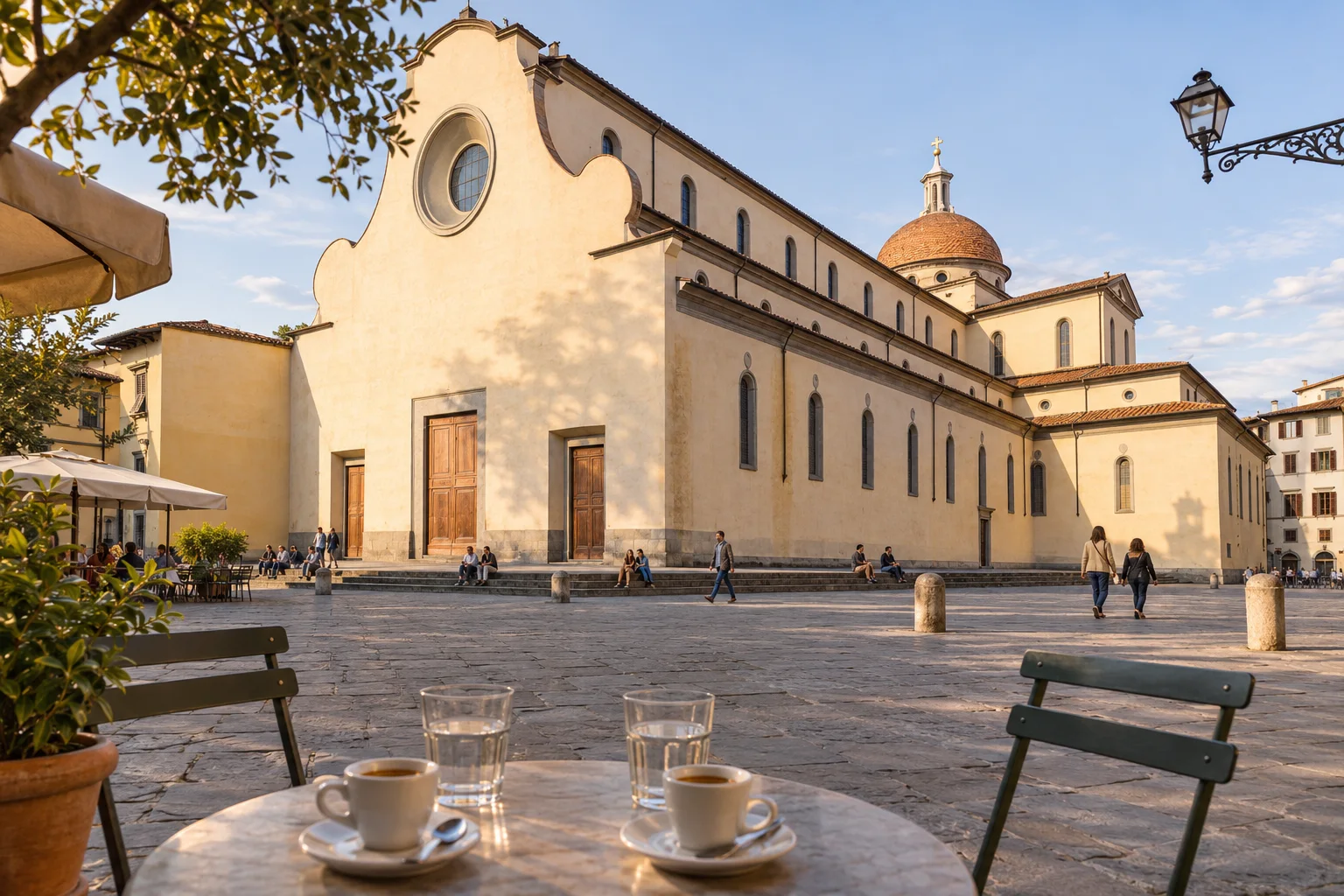
If gardens and another collection appeal, choose the official Pitti Palace or Boboli Gardens visit linked from the Uffizi Galleries site and replace the longer street circuit. Keep a substantial garden visit separate from an already full day of wandering; both use the breathing space before the next train.
If choosing a Tuscan outing, compare the actual transport and the time left at the destination. A tour can simplify a particular plan, but read the itinerary and inclusions before treating it as equivalent to independent travel.
Days 8–9: Venice with time beyond the main square
Day 8: the train and the last stretch to your accommodation
Check that the train and station suit where you are staying. The final journey in Venice can involve walking, bridges and water transport; study the accommodation's arrival directions before choosing the size of your bag.
Keep the first walk near the Venice base. From Cannaregio, use the Cannaregio Canal toward the Ghetto area, then choose dinner along Fondamenta degli Ormesini if that fits the walk back. From a San Marco base, choose a shorter local canal circuit instead. A few cicchetti—small bar snacks—can suit a light arrival meal; choose the place and portions rather than assuming every bar offers the same service. Keep the main interior for tomorrow.
Day 9: one main visit, then neighborhood time
Begin around Piazza San Marco and make the Doge’s Palace the day's main interior visit. Use the official museum site to choose the admission you want: its special itineraries are separate reservation-based experiences, not something every ordinary visit automatically includes. Treat a basilica interior as a separate booking decision rather than an assumed part of a palace ticket.

After lunch, walk toward Rialto, cross to the San Polo side for the market-area streets, then return across the Grand Canal by the bridge and continue toward Cannaregio. Make the final pause around the Ghetto area or Fondamenta della Misericordia, depending on your base. The Rialto market is not an all-day promise of open stalls; the neighborhood route still works as a walk when the market has finished. If this is too much walking, keep Rialto and leave Cannaregio out.
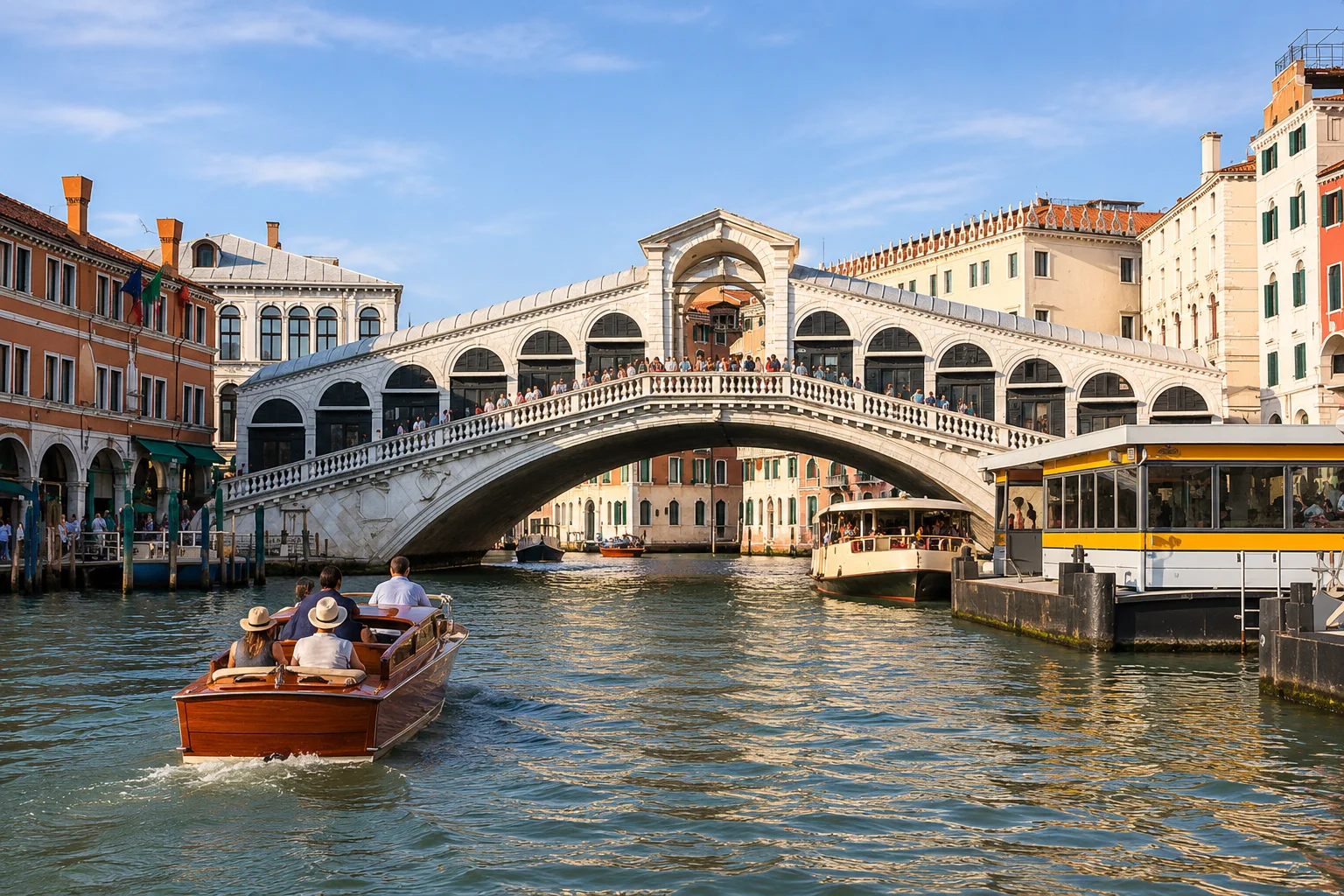
A lagoon-island outing needs its own transport and time allocation. If that is the priority, shorten the central-city program rather than promising both a full island day and every major Venice interior.
Day 10: leave room for the departure transfer
Work backwards from the transport provider's required arrival time and the actual airport or station you are using. The journey from a Venice accommodation is not always a quick taxi to the door. Check the route, luggage and operating arrangements before the final morning.
If the flight home leaves from Rome, this nine-night route needs revision. Returning the length of the country on departure day adds risk and travel time; arrange the final night and tickets around the real flight rather than copying this version unchanged.
Choose the stations and bases together
| Transfer | Station choice for this version | Planning allowance |
|---|---|---|
| Rome → Florence | Roma Termini → Firenze Santa Maria Novella; do not accidentally select a different Rome station | Italo advertises a fastest journey of about 1 hour 25 minutes. Set aside roughly 3–4 hours from leaving the room to luggage drop in Florence |
| Florence → Venice | Firenze Santa Maria Novella → Venezia Santa Lucia for a historic-city stay; Mestre is on the mainland | Italo advertises about 2 hours. Allow roughly 4–5 hours door to door when the Venice walk or boat connection is included |
The train examples were checked on 3 November 2026 on Italo’s Rome–Florence and Florence–Venice pages. They are route examples, not a timetable for your dates. The longer door-to-door blocks are planning allowances for checkout, station access, boarding margin and the last leg; replace them with your actual addresses and service. Compare the selected train with Trenitalia’s Frecciarossa options before booking.
| City | Choose for station convenience | Choose for evenings and neighborhood time |
|---|---|---|
| Rome | Termini edge for the Day 5 departure; inspect the exact street and arrival route | Monti for the ancient-center day, or Pantheon/Navona for the Day 4 walk; each adds a transfer to Termini |
| Florence | Santa Maria Novella side for both train days and a manageable luggage walk | Santo Spirito for the Oltrarno evening; account for the cross-river journey with bags |
| Venice | Western Cannaregio near Santa Lucia for a shorter arrival walk, depending on the address | San Marco for the palace morning; Cannaregio farther east for the final neighborhood walk. Bridges and boat access make the exact address decisive |
The accompanying Italy map is a geographic overview with city-center points and straight connections in visiting order. Those lines are not railway alignments or station-to-hotel directions; the four/three/two-night split remains Rome, Florence and Venice.
What to book and what to keep flexible
Book flights and the three accommodation bases, then the intercity trains and the attractions that matter most. Check names, ticket inclusions and cancellation terms carefully. Keep ordinary meals and lower-priority walks flexible.
Venice's access contribution is date-specific, not a year-round assumption. Check the official Venice access-contribution portal for your actual travel dates and circumstances. Do not use a past year's payment or exemption process as a promise about a future visit.
Packing and route changes
Choose luggage you can manage yourself through stations and on the final approach to each accommodation. Use the carry-on list if you want a lighter setup, or the vacation list with a laundry plan for the longer trip.
For a slower version, remove a city and add nights to the other two. For more Florence time, move a Rome night only after considering your arrival day and major Rome bookings. Naples, the Amalfi Coast and the Cinque Terre are not included in this route; each would require a deliberate replacement and new transfer plan.
Italy itinerary questions
Do I need a rental car?
This version is built around rail connections and city stays. Add a car only for a separate plan that benefits from one, after checking the driving and parking arrangements.
Are ten days enough?
They are enough for this three-base introduction, with choices about what to see. They are not enough to treat every famous Italian region as a day trip.
Can I reverse the itinerary?
Yes, if the flight and train arrangements work. Keep the same night total and move reservation days to match the opening calendar.
Useful official planning links
- Frecciarossa
- Opening Times and Tickets - Parco archeologico del Colosseo
- Prices and Tickets
- Homepage | Contributo di Accesso
- The Uffizi | Uffizi Galleries
- Doge's Palace Venice - Official Website
Check the arrangements for your travel dates before booking or departure.